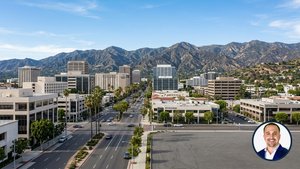




How Do You Sell an Architectural Home in La Cañada for Maximum Value?
Last Updated: February 2026 | By Justin Borges, DRE #01940318 | Read Time: 18 minutesWhy La Cañada Flintridge Commands Premium Prices
Selling architectural homes in La Cañada requires specialized marketing to reach design-conscious buyers willing to pay 10-30% premiums for Craftsman, Mid-Century Modern, or Spanish Colonial properties. The strategy: (1) Hire an agent who specializes in period architecture—not generic luxury—and understands architectural pedigree (Paul Revere Williams designs, Lloyd Wright, etc.), (2) Use professional photography that captures design details, natural light, and spatial flow that generic listing photos miss, (3) Market to architects, designers, and preservation enthusiasts through specialized channels (not just MLS), and (4) Price based on architectural value rather than just square footage—a 3,000 sf architect-designed Craftsman can command more than a 5,000 sf generic Mediterranean.
The architectural premium exists because La Cañada has an exceptional concentration of period homes: Spanish Colonial Revival from the 1920s-1930s (often by Williams or Wallace Neff), Craftsman bungalows from 1910s-1920s, Mid-Century Modern from 1950s-1960s, and custom contemporary by known architects. Generic agents treat these as "old homes needing updates" and underprice by $200K-$600K. Specialists recognize the architectural pedigree adds 15-30% premiums to comparable generic homes and market accordingly to qualified buyers.
Selling an Architectural Home?
(213) 444-2225Call • Text • Email
Justin also founded The Answer Engine , helping local businesses show up in AI search platforms like ChatGPT and Google AI Overview.
Justin Borges • DRE #01940318
[email protected]
This guide covers how to identify your home's architectural value, find the right specialist agent (credentials to verify), prepare the property to highlight design features without destroying character, and market to buyers who will pay premiums for authentic period architecture rather than discount for "dated" features.
Understanding the La Cañada Flintridge Market (2026-2026 Data)
Current Market Conditions
The La Cañada market operates in a unique tier. With median prices between $2.2 million and $2.5 million, depending on source and property type, this is solidly luxury territory. Recent data shows:
Pricing Trends:- Median home values: $2.2M - $2.5M (varying by source and timing)
- Price per square foot: $975 - $1,060
- Year-over-year appreciation: 3.6% - 16% (depending on property type and location)
- 72% of homes sold over asking price in March 2026
- Average days on market: 19-31 days
- Homes receiving an average of 3 offers
- 72% of homes selling within 30 days
- Inventory increased 25.5% month-over-month in early 2026
The typical La Cañada buyer falls into one of three categories. First, you have families relocating for the school district, often coming from West LA, Pasadena, or out of state with tech or entertainment industry money. These buyers will stretch their budget to access La Cañada Unified School District, frequently buying homes they plan to renovate over time. Second, you have affluent professionals upgrading from South Pasadena or Glendale who want more space and privacy. Third, you have Asian-American families, often with international connections, who prioritize educational excellence and architectural quality.
What all three buyer types share: they're paying premium prices for La Cañada's combination of top schools, architectural character, and suburban tranquility. They expect homes to be either move-in ready or priced to reflect needed renovations. The "fixer-upper at market rate" doesn't work in this market anymore.
La Cañada Market Snapshot: Key Metrics| Metric | Current Data | What It Means for Sellers |
|---|---|---|
| Median Price | $2.2M - $2.5M | Premium positioning required |
| Days on Market | 19-31 days | Price competitively from day one |
| Homes Over Asking | 72% | Well-priced homes still generate competition |
| Average Offers | 3 per property | Multiple offer situations common |
| Inventory Trend | +25.5% month-over-month | More competition for buyer attention |
| Price Per Sq Ft | $975 - $1,060 | Quality matters more than pure size |
Architectural Styles That Define La Cañada Flintridge
Spanish Colonial Revival (1915-1940)
Spanish Colonial Revival homes represent La Cañada's architectural heritage. Many were designed by renowned architects like Paul Revere Williams, who created over 27 documented homes in the Flintridge area during the 1920s-1930s. These properties feature signature elements: red clay tile roofs, stucco exteriors, arched doorways and windows, wrought iron details, and courtyards or patios that create indoor-outdoor flow.
The best examples sit on large lots (10,000+ square feet) with mature landscaping, original architectural details preserved, and period-appropriate updates that respect the home's character. When pricing Spanish Colonial Revival homes, architectural pedigree matters significantly. A documented Paul Revere Williams design commands a 15-25% premium over comparable non-architect homes. Original features like hand-painted tiles, carved wooden doors, or decorative ironwork add measurable value.
Common challenges with Spanish Colonial homes include outdated kitchens and bathrooms that require careful renovation to maintain architectural integrity, small or dark rooms that don't meet modern lifestyle needs, and plumbing or electrical systems that need complete replacement. Smart sellers address these issues before listing or price accordingly.
Tudor Revival (1920-1940)
Tudor Revival homes bring European elegance to La Cañada's hillsides. These distinctive properties feature steeply pitched roofs, half-timbered facades, tall windows with leaded glass, stone or brick exterior accents, and prominent chimneys. The style works particularly well on sloped lots where multiple levels create visual interest.
Tudor homes attract buyers who appreciate traditional architecture and craftsmanship. The style's formal character appeals to families who want a statement home with architectural gravitas. Original Tudor homes often need significant updates to modernize while preserving character. Kitchen and bathroom renovations are almost always necessary, and many Tudors have small bedrooms by modern standards.
The market for Tudor homes remains strong because supply is limited. Well-maintained examples with period details intact can command top-of-market prices. Properties requiring extensive renovation should be priced 10-15% below move-in ready comparables to account for the complexity of working with historic architecture.
Mid-Century Modern (1950-1970)
Mid-Century Modern homes represent La Cañada's postwar development boom. These properties embrace California indoor-outdoor living with floor-to-ceiling windows, open floor plans, clean horizontal lines, integration with natural surroundings, and post-and-beam construction. Many Mid-Century homes sit on dramatic hillside lots with expansive mountain or valley views.
The Mid-Century market in La Cañada has evolved significantly. Ten years ago, these homes were undervalued, often demolished for new construction. Today, well-preserved Mid-Century properties command premium prices from design-conscious buyers. The market divides into three tiers: architect-designed homes (rare and valuable), high-quality developer homes (strong demand), and basic tract Mid-Century (often teardown candidates).
I've watched this transformation firsthand. Properties that struggled to attract buyers at $1.2M in 2015 now sell for $2.5M+ when properly preserved and updated. The key is understanding which Mid-Century homes deserve restoration versus which ones make better teardown candidates. A Jack Simison-designed Mid-Century with original details intact is worth restoring. A generic 1960s ranch with low ceilings and awkward additions might not be.
Original Mid-Century homes need careful evaluation. Flat roofs often require replacement, aluminum windows may need upgrading for energy efficiency, and open floor plans sometimes lack the private spaces modern families want. The best Mid-Century renovations respect the original design while adding modern amenities.
Craftsman (1905-1930)
Craftsman homes in La Cañada range from modest bungalows to substantial estate homes. Classic features include low-pitched roofs with wide eaves, exposed rafter tails, large front porches with square columns, extensive woodwork and built-ins, and natural materials like stone and wood. The style emphasizes handcraftsmanship and natural materials.
Craftsman homes appeal to buyers who want character and walkability. The style's emphasis on quality construction and natural materials ages well when properly maintained. Many Craftsman homes occupy flat lots close to downtown La Cañada, making them attractive to families who want walkability to shops and restaurants.
Pricing Craftsman homes requires understanding their condition and originality. Homes with original built-ins, woodwork, and fixtures preserved command premiums. Properties that have been "updated" with generic finishes often sell for less than well-maintained originals. Smart sellers either restore Craftsman details or price the home as a renovation opportunity.
Mediterranean/Italian Renaissance (1920-1940)
Mediterranean and Italian Renaissance homes bring Old World elegance to La Cañada. These substantial properties feature low-pitched tile roofs, stucco walls in earth tones, arched windows and doorways, decorative tile work, and formal gardens with fountains. Many sit on large estate lots south of the 210 freeway.
The Mediterranean style attracts affluent buyers who want grandeur and formality. These homes work well for families who entertain frequently and want both indoor and outdoor living spaces. Well-designed Mediterranean homes flow naturally from interior to exterior, with terraces, loggias, and gardens extending the living space.
Mediterranean homes require significant maintenance and often need comprehensive updates. Original 1920s-1930s examples may have outdated systems, small bathrooms by modern standards, and kitchens that need complete renovation. Properties in excellent condition command top prices; those needing work should be priced 15-20% below turnkey comparables.
La Cañada Neighborhoods: Where Location Matters
Flintridge
Flintridge represents La Cañada's most prestigious neighborhood. Originally developed in the 1920s as an exclusive residential community, Flintridge attracted notable architects like Paul Revere Williams who designed over 27 homes in the area. The neighborhood features winding streets, large lots (often 15,000-20,000 square feet), mature landscaping with Deodar cedars and sycamores, and architectural diversity including Spanish Colonial, Tudor, and French Norman styles.
Properties in Flintridge command premium prices for several reasons. The neighborhood's architectural pedigree, with many architect-designed homes from the 1920s-1940s, creates intrinsic value. Large lots provide privacy and expansion opportunities. And the location, close to La Cañada High School and with easy freeway access, makes Flintridge convenient for commuters.
When pricing Flintridge homes, architectural significance matters significantly. A documented Paul Revere Williams or Lloyd Wright design can command 20-30% premiums over comparable non-architect homes. Original architectural details preserved add value. And properties on prestigious streets like Chevy Chase Drive or Crown Avenue carry additional prestige value.
Deodar Area (Upper Alta Canyada)
The Deodar Area, also known as Upper Alta Canyada, stands out as La Cañada's most distinctive neighborhood. In 1913, residents planted Deodar cedar trees along the streets, creating a stunning tree-canopy effect that defines the area. Every winter, residents adorn these trees with lights, transforming the neighborhood into a holiday destination that draws visitors from across Southern California.
The Deodar Area appeals to buyers who want both prestige and community character. The neighborhood's annual holiday lighting tradition creates a genuine sense of community. Properties here range from mid-century ranch homes to newer custom estates, typically on larger lots than you'll find in other parts of La Cañada.
Pricing in the Deodar Area reflects both location and views. Homes with mountain vistas command premiums of $200,000-$400,000 over similar homes without views. Properties on the "Christmas Tree Lane" streets (streets that participate in the holiday lighting) carry additional prestige value. And the neighborhood's elevation provides cooler summer temperatures, which buyers increasingly value.
Descanso Gardens Area
The neighborhood surrounding Descanso Gardens benefits from proximity to one of Southern California's premier botanical attractions. Originally the private estate of newspaper publisher E. Manchester Boddy, the 150-acre Descanso Gardens now serves as a public garden featuring international plant collections, seasonal displays, and miles of walking trails.
Living near Descanso Gardens provides unique lifestyle benefits. Residents can walk to world-class gardens for morning walks or weekend family outings. The neighborhood's mid-century character, with many homes built in the 1950s-1960s, appeals to design-conscious buyers. And the area's location, close to the 210 freeway, makes commuting manageable.
Properties near Descanso Gardens typically sell at slight premiums compared to similar homes in other parts of La Cañada. The garden proximity adds lifestyle value that buyers will pay for. Mid-Century Modern homes in excellent condition command top prices. And homes backing to the gardens (with garden views but no public access behind) carry the highest premiums.
Meadow Grove
Meadow Grove occupies La Cañada's eastern edge, representing the city's most exclusive enclave. Originally developed around the Flintridge Golf Course (which closed in the 1960s), Meadow Grove features large estate properties, many on lots exceeding one acre. The 210 Freeway construction in the 1960s removed many original estates, but remaining properties maintain the neighborhood's luxurious character.
Meadow Grove attracts ultra-affluent buyers who want maximum privacy and space. Properties here typically range from $4 million to $10 million-plus, with the highest prices paid for estate compounds with guest houses, pools, tennis courts, and extensive landscaping. The neighborhood's location provides privacy while maintaining access to La Cañada schools and amenities.
When marketing Meadow Grove properties, privacy and land value drive pricing. Lots over one acre are increasingly rare in La Cañada, making Meadow Grove's estate parcels valuable. Properties with flat, usable land command premiums over steeply sloped lots. And homes with modern updates or new construction typically outperform dated properties requiring renovation.
Why La Cañada Schools Drive Real Estate Decisions
The #1 School District Premium
La Cañada Unified School District consistently ranks #1 among LA County school districts and in the top 5 statewide. This isn't marketing hype - it's reflected in measurable outcomes. The district maintains a 98% graduation rate, with 98% of graduates attending college. Students score 83% proficient in math versus 33% statewide average, and 83% reading proficiency versus 47% statewide average.
These exceptional results translate directly into real estate premiums. Families moving to Southern California for jobs at tech companies, entertainment studios, or aerospace firms will pay significantly more for housing to access La Cañada schools. The premium varies by market conditions but typically ranges from $400,000 to $800,000 compared to nearby areas with good-but-not-exceptional schools.
What makes La Cañada Unified exceptional goes beyond test scores. The district maintains a 24:1 student-teacher ratio, smaller than many private schools. Comprehensive student support includes dedicated counseling resources, peer mentorship programs, and community engagement initiatives. And the district's approach balances academic rigor with student wellbeing - a combination that appeals to modern parents.
How School Boundaries Affect Home Values
La Cañada Elementary and La Cañada High School boundaries encompass most of the city, but proximity matters. Homes within walking distance of La Cañada Elementary (approximately a half-mile radius) can command 10-15% premiums over similar homes requiring a drive to school. This walkability premium reflects both convenience and lifestyle - families value being able to have children walk or bike to school safely.
The district's middle school system is another consideration. La Cañada has one comprehensive middle school serving all district students. Homes in any neighborhood provide access to the same excellent middle school, eliminating the boundary concerns that affect elementary school choice.
When marketing homes in La Cañada, school proximity should be prominently featured if applicable. Properties within the La Cañada Elementary walking zone should highlight this advantage explicitly. Homes near the high school appeal to families with teenagers who want independence. And all La Cañada properties benefit from the district's overall excellence.
🏛️ Ready for a Strategic Marketing Plan?
Let's Discuss Your Property
(213) 444-2225Usually respond within 2 hours
OR
🏛️ Browse Architectural HomesJustin Borges, DRE #01940318
680 E Colorado Blvd Suite 180, Pasadena, CA 91101
What Buyers Expect in La Cañada Flintridge
The Modern Luxury Standard
Today's La Cañada buyers have specific expectations that differ from buyers five years ago. They want updated kitchens with high-end appliances (Wolf, SubZero, Thermador), large islands for casual dining and homework, professional-grade ranges for serious cooking, and storage that accommodates modern kitchen tools and appliances. A kitchen that last felt modern in 2010 will not meet 2026 buyer expectations.
Primary bathrooms need spa-like amenities. Buyers expect large walk-in showers with rainfall heads and body sprays, separate soaking tubs (freestanding preferred), double vanities with ample storage, and heated floors in premium properties. Small, dated bathrooms are deal-breakers in this price range unless the home is priced as a renovation opportunity.
Living spaces need to accommodate modern family life. Open floor plans that connect kitchen, dining, and family areas are essential. Home offices became non-negotiable during the pandemic and remain expected features. Multiple indoor-outdoor living areas allow families to enjoy Southern California weather year-round. And adequate storage throughout the home prevents the cluttered look that turns off buyers.
Technology and Sustainability Expectations
Modern La Cañada buyers expect homes to have comprehensive technology infrastructure. Whole-home Wi-Fi with strong coverage in all rooms, smart home systems for lighting, climate, and security, electric vehicle charging capability (either installed or panel capacity), and solar panels or solar-readiness are increasingly expected rather than optional.
Energy efficiency matters to La Cañada buyers, both for cost savings and environmental reasons. Properties with updated HVAC systems, modern insulation and windows, drought-tolerant landscaping with efficient irrigation, and low-energy lighting and appliances command premiums. The combination of lower utility costs and environmental responsibility appeals to affluent, educated buyers.
When preparing homes for sale, technology updates provide measurable returns. Installing EV charging, upgrading to smart thermostats, adding a whole-home Wi-Fi system, and documenting energy-efficient features all enhance appeal. These updates signal to buyers that the home is modern and well-maintained.
Renovation ROI in La Cañada Luxury Market:- Kitchen renovation (high-end): 60-80% return, but prevents 10-15% pricing discount
- Primary bathroom update: 70-90% return for dated-to-modern transformations
- EV charging installation: $1,500 cost, adds $3,000-$5,000 perceived value
- Smart home systems: $3,000-$8,000 cost, improves showing experience significantly
- Outdoor living space creation: 50-75% direct return, speeds sale by 2-3 weeks
- Fresh paint throughout: 100%+ return in buyer perception and photo quality
The Outdoor Living Requirement
La Cañada's climate and lifestyle make outdoor living spaces essential rather than optional. Properties without quality outdoor areas struggle to compete in this market. Buyers expect covered outdoor entertaining areas with provisions for lighting and heating, well-designed landscaping that balances aesthetics and water conservation, pools or spas in move-in ready luxury properties (or space to add them), and usable flat areas for children's play or outdoor activities.
Mountain views are La Cañada's most valuable asset for properties that have them. Unobstructed San Gabriel Mountain vistas can add $200,000-$500,000 to a home's value depending on the view quality and property price point. Properties with views need outdoor spaces oriented to maximize those views - terraces, balconies, or pool areas positioned to take advantage of the scenery.
For properties without dramatic views, creating beautiful gardens and outdoor rooms becomes even more important. Well-designed landscaping can transform an ordinary backyard into a private resort. Mature trees provide privacy and shade. And thoughtful hardscaping creates defined outdoor living areas that feel intentional rather than leftover.
Want to know exactly what your La Cañada home is worth? Get a professional valuation at justin.lametrohomefinder.com/sellerSelling Strategy: How to Maximize Your La Cañada Home's Value
Pre-Market Preparation (60-90 Days Before Listing)
The most successful La Cañada home sales share a common thread: comprehensive preparation before the home hits the market. This preparation period should begin 60-90 days before your target listing date.
Start with an honest property assessment. Walk through your home with a critical eye, noting every repair, update, or improvement that might affect buyer perception. This includes obvious issues like chipped paint or broken fixtures, but also subtler concerns like dated light fixtures, worn carpeting, or outdated bathroom vanities. Consider hiring a pre-listing inspector to identify potential problems before buyers discover them.
Based on this assessment, create a prioritized repair and improvement plan. Focus first on repairs that affect home functionality or safety - these are non-negotiable. Next, address cosmetic issues that signal poor maintenance, like chipped paint, damaged flooring, or worn fixtures. Finally, consider strategic updates that provide clear returns, like modernizing outdated light fixtures, replacing builder-grade hardware, or refreshing dated wallpaper with neutral paint.
For architectural homes, respect the property's character in all updates. A Spanish Colonial Revival home with original tile work needs restoration, not replacement with modern materials. A Mid-Century Modern property needs updates that honor its design language. When in doubt, consult with contractors experienced in historic renovation rather than making generic updates.
Pricing Strategy for Luxury Properties
Pricing La Cañada homes requires understanding both market dynamics and buyer psychology at the luxury level. The strategy that works for $500,000 homes in other markets doesn't translate to $2.5 million La Cañada properties.
Start with comprehensive market analysis beyond simple comparable sales. Look at current active listings to understand your competition - what buyers can choose instead of your home. Study pending sales to identify what's working in the current market. Analyze closed sales from the past six months, with particular attention to properties most similar to yours in style, location, and condition.
Price positioning matters enormously in the luxury market. Properties priced within 5-8% of true market value generate the strongest buyer interest and competitive dynamics. Overpricing by 10-15% doesn't just slow your sale - it can ultimately result in selling for less than you would have achieved with aggressive initial pricing. Buyers at the luxury level are sophisticated and have access to the same market data as real estate professionals.
Consider your home's unique attributes when pricing. Architectural pedigree (architect-designed homes command premiums), original details preserved and maintained, exceptional views or location, recent quality updates, and school proximity all justify premium pricing. Conversely, deferred maintenance, outdated systems, dated finishes, limited outdoor space, and awkward floor plans require pricing discounts.
The 5-Step La Cañada Pricing Process:1. Gather Current Market Data (Week 1)
- Review all active listings (your competition)
- Analyze pending sales (what's working now)
- Study 6 months of closed sales (recent trends)
2. Identify Your Closest Comparables (Week 1)
- Match architectural style and period
- Compare lot sizes and locations
- Assess condition and update levels
3. Adjust for Unique Features (Week 2)
- Add value for views, architectural pedigree, or premium location
- Subtract for deferred maintenance or dated systems
- Factor in school proximity and walkability
4. Position Against Competition (Week 2)
- Price within 5-8% of true market value
- Consider current inventory levels
- Account for seasonal timing factors
5. Validate with Agent Expertise (Week 2)
- Get second opinion from La Cañada specialists
- Review agent's track record of list-to-sale ratios
- Confirm pricing supports your timeline goals
Marketing That Reaches Qualified Buyers
La Cañada's luxury market requires sophisticated marketing that reaches affluent, educated buyers wherever they live. Many La Cañada buyers relocate from other parts of California or out of state, so your marketing must have reach beyond local buyers.
Professional photography is non-negotiable. This doesn't mean standard real estate photos - it means hiring photographers who specialize in architectural and luxury properties. These photographers understand how to capture a home's character, light, and space in ways that create emotional responses. Budget $1,500-$3,000 for comprehensive photography including twilight shots if appropriate.
Video tours and drone footage provide additional ways for distant buyers to experience your property. A well-produced video tour allows buyers to understand flow and space in ways that photos cannot. Drone footage showcases the property's setting, views, and relationship to the neighborhood. These tools are particularly valuable for attracting out-of-area buyers.
Strategic online marketing places your listing where affluent buyers look. This includes premier placement on Zillow and Realtor.com, featured listings on luxury-specific sites like LuxuryPortfolio.com, targeted social media advertising to specific buyer demographics, and email marketing to agents specializing in luxury and relocations. Don't rely on the MLS alone to market a luxury property.
Showing Strategy and Buyer Experience
How buyers experience your home during showings directly impacts offers and final sale price. Creating an exceptional showing experience requires attention to details that standard real estate showings often overlook.
Start with perfect preparation for every showing. This means the home is spotlessly clean, all lights are on (including lamps and landscape lighting for evening showings), temperature is comfortable (68-72 degrees), subtle background music creates ambiance, and fresh flowers or subtle scenting adds to the experience. These details signal quality and care.
Provide comprehensive property information for serious buyers. This should include detailed specification sheets covering square footage (verified), lot size, key features and upgrades, major system ages and conditions, utility costs, and tax information. Include architectural plans if available, especially for architect-designed homes. Provide documentation of recent improvements including contractor names, permits, and warranty information.
Make yourself scarce during showings. Buyers feel most comfortable examining and discussing properties when sellers aren't present. If you must be home, stay completely out of sight and let the agent conduct the showing. Never offer unsolicited information or follow buyers around. Your presence will inhibit honest buyer reactions and discussions.
Common Selling Mistakes in La Cañada (And How to Avoid Them)
Overpricing Based on Emotional Attachment
The most common and costly mistake La Cañada sellers make is overpricing based on emotional attachment rather than market reality. I understand why this happens. You've created memories in your home. You know every improvement you've made. You remember what the neighbor's less-nice home sold for two years ago. But buyers don't pay for your memories or your neighbor's 2023 sale. They pay based on current market conditions and their own needs.
Overpricing costs you money in multiple ways. First, you miss the critical first two weeks when buyer interest peaks. Properties priced correctly receive the most showing activity and strongest offers during their first 14 days on market. Overpriced homes sit, accumulate days on market, and signal to buyers that something is wrong. Second, you're forced into price reductions that make buyers wonder why - was there a property defect discovered? Are you desperate? Third, you ultimately sell for less than aggressive initial pricing would have achieved because your property has become "stale."
The solution is accepting market reality before listing. Get opinions from multiple real estate professionals who specialize in La Cañada luxury homes. Look objectively at comparable sales, adjusting for differences in condition, location, and features. Price at or slightly below market value to generate competition. Then let the market work - competitive buyer dynamics will push your price up if you've truly priced aggressively.
Real Market Example: The Cost of OverpricingA Spanish Colonial home in Flintridge listed at $3.2M in early 2026 based on the seller's perception of value. After 45 days with minimal showing activity, the price dropped to $2.95M. After another 30 days, it dropped again to $2.85M and finally sold at $2.78M after 98 days on market.
A comparable property two blocks away listed at $2.85M (aggressive pricing) and received 5 offers within 12 days, ultimately selling for $2.92M. The first seller lost $140,000 and spent three additional months in the selling process by overpricing initially. The second seller gained $70,000 and closed in two weeks through strategic pricing.
The difference? The second seller accepted market reality upfront rather than testing it.
Inadequate Property Preparation
Another common mistake is listing before the property is truly ready for market. This often happens when sellers want to "test the market" or believe "someone will see past" cosmetic issues. In La Cañada's luxury market, these approaches fail. Buyers have choices, and they'll choose move-in ready or clearly discounted properties over homes that sit in the middle.
Inadequate preparation includes visible maintenance issues like chipped paint, broken fixtures, or damaged flooring; dated finishes that signal the home needs comprehensive updating; cluttered spaces that prevent buyers from seeing the home's potential; poorly maintained landscaping that creates poor first impressions; and minor but noticeable problems that buyers use to negotiate aggressively.
The solution is investing in proper preparation before listing. This doesn't mean full renovations in every case. But it does mean addressing maintenance issues, neutralizing overly personal decor, deep cleaning and decluttering every space, refreshing paint and flooring where needed, and improving curb appeal and landscaping. These investments typically return 3-5x in either higher sale prices or faster sales.
Poor Timing Decisions
Selling timing matters significantly in La Cañada due to the school-driven nature of the market. The strongest buyer activity occurs in two distinct periods: January through May (families wanting to close before the school year ends) and September through November (families who missed the spring market or want to move during summer break). July and August see dramatically reduced buyer activity as families are settled or on vacation. December faces similar challenges with holidays.
Listing during off-peak periods isn't necessarily wrong, but it requires adjusted expectations. You'll face fewer buyers, which may mean accepting a lower price or extending your marketing timeline. The ideal listing times are late January through March (gives buyers time to close by June) and September through early November (captures families ready to move).
Consider your specific circumstances when timing your sale. If you need to sell quickly due to job relocation or other factors, timing becomes less flexible. But if you have choice, aligning with peak buyer activity serves your interests. Use slow periods for property preparation so you're ready to list when buyer activity peaks.
> "The La Cañada market rewards preparation over urgency. Properties hitting the market at optimal times with perfect presentation consistently outperform rushed sales by 10-15%." - Justin Borges > > Ready to plan your sale timeline? Email [email protected]
What Sets La Cañada Apart From Similar Markets
La Cañada vs. South Pasadena
South Pasadena and La Cañada share some similarities - both offer excellent public schools, walkable downtowns, and strong community character. But the markets differ in significant ways that affect pricing and buyer profiles.
Price Point:South Pasadena's median price of $1.575M-$1.9M makes it substantially more affordable than La Cañada's $2.2M-$2.5M. This $600,000-$700,000 difference reflects school rankings (La Cañada ranks #1 in LA County vs. South Pasadena's #35 in California), lot sizes (La Cañada typically offers larger parcels), and community character (La Cañada feels more suburban and exclusive).
School Quality:While both districts rank in California's top tier, La Cañada Unified consistently outperforms South Pasadena Unified on standardized tests. La Cañada shows 83% math proficiency versus South Pasadena's 75%. La Cañada's 98% graduation rate edges South Pasadena's 98%. These differences matter to families prioritizing educational excellence above all else.
Character and Lifestyle:South Pasadena offers a more urban, walkable experience with its Mission Street downtown offering restaurants, shops, and community gathering spaces within walking distance of most homes. La Cañada provides a more suburban, car-dependent lifestyle with larger properties and more privacy but less walkability. South Pasadena's Craftsman-heavy architecture creates a consistent aesthetic, while La Cañada's architectural diversity offers more variety.
Buyers choose between these markets based on budget and priorities. Families who prioritize the absolute highest-ranked schools and can afford La Cañada's premium choose La Cañada. Families who want excellent schools but prefer walkability and a more accessible price point choose South Pasadena.
La Cañada vs. San Marino
San Marino and La Cañada compete directly for the same buyer pool: affluent families prioritizing top-ranked schools and architectural character. The markets overlap significantly in price and buyer demographics, with subtle differences affecting buyer choices.
Price Point:San Marino's median of $2.4M-$3.0M slightly exceeds La Cañada's $2.2M-$2.5M, though ranges overlap considerably. Both markets command luxury premiums driven primarily by school quality.
School Quality:La Cañada Unified ranks #1 in LA County, while San Marino Unified ranks #12 in California (top 1%). Both districts deliver exceptional results - San Marino shows 83% math proficiency and 86% reading proficiency versus La Cañada's 83% in both categories. At this level, the practical difference for most families is negligible.
Character and Lifestyle:San Marino offers a more formal, estate-oriented character with Lacy Park serving as the community centerpiece and very strict architectural controls maintaining visual consistency. La Cañada provides more architectural diversity, a slightly more relaxed atmosphere, and better mountain access for hiking and outdoor activities. San Marino's older housing stock (many homes from 1910s-1930s) contrasts with La Cañada's mix of periods.
The choice between San Marino and La Cañada often comes down to lifestyle preferences rather than clear advantages. Families who want urban polish and formality often prefer San Marino. Families who want mountain proximity and outdoor access prefer La Cañada. Both deliver exceptional schools and strong long-term value.
Your Next Steps: Getting Your La Cañada Home Market-Ready
Selling a home in La Cañada Flintridge requires understanding the unique factors that drive this luxury market. The process starts with honest assessment of your property's condition, competitive positioning, and optimal timing. From there, proper preparation, strategic pricing, and sophisticated marketing create the conditions for a successful sale.
The La Cañada market rewards sellers who invest in proper preparation and price realistically based on current conditions. It punishes those who test the market with overpricing or list properties that aren't truly ready for luxury buyer expectations. Understanding this dynamic helps you make decisions that protect your financial interests.
Whether you're selling because of a job relocation, wanting to upsize or downsize within La Cañada, or moving to another area entirely, the strategy that maximizes your outcome remains consistent: prepare thoroughly, price strategically, and market comprehensively. This approach generates competitive buyer interest that results in the strongest possible offers and sale terms.
Quick Decision Framework: Should You Sell Now?
SELL NOW if you have 3+ of these factors:- ✓ Job relocation or life change requires move
- ✓ Current mortgage rate is below 4% (strong equity position)
- ✓ Home is move-in ready or you can invest in preparation
- ✓ You can list January-May or September-November (peak seasons)
- ✓ Your property has unique assets (views, architecture, location)
- ✓ You're willing to price realistically based on current market data
- ⚠ Home needs significant repairs you can't afford now
- ⚠ Current market has 6+ comparable properties available (high competition)
- ⚠ You're emotionally attached to a price above market value
- ⚠ You must sell during July-August or December (slowest periods)
- ⚠ Recent market data shows declining prices in your neighborhood
- ⚠ You can't afford to be flexible on timing or terms
- You have 6-12 months before you need to move
- Home needs updates but you have time to complete them
- You want to capture next spring selling season (most competitive)
- You need time to emotionally prepare for realistic pricing
Legal Disclaimer: This article provides general information about selling real estate in La Cañada Flintridge and should not be construed as legal, tax, or financial advice. Real estate laws, regulations, and market conditions vary and change over time. Consult with qualified professionals including real estate attorneys, CPAs, and financial advisors for advice specific to your individual situation. Past performance and market data do not guarantee future results.
Ready to Get Started?
Justin Borges • DRE #01940318 • The Borges Real Estate Team
Frequently Asked Questions
How long does it take to sell a home in La Cañada Flintridge?Based on current market data, homes in La Cañada typically sell within 19-31 days, with an average of 3 offers per property. However, this average masks significant variation based on pricing, condition, and timing. Properly priced, well-prepared homes can sell within the first week, often with multiple offers. Overpriced or poorly prepared properties may sit for 60-90 days or longer, requiring price reductions to generate buyer interest.
Do I need to renovate before selling my La Cañada home?Comprehensive renovations aren't always necessary, but strategic improvements typically provide strong returns. Focus on repairs that affect functionality or safety first, then address cosmetic issues that signal poor maintenance. For dated kitchens or bathrooms, you have two options: renovate to modern standards (which provides the highest sale prices but requires significant investment) or price the home to reflect needed updates (accepting a lower price but avoiding renovation costs and timeline). The right choice depends on your timeline, budget, and the home's overall condition.
How much do mountain views add to property value in La Cañada?Unobstructed San Gabriel Mountain views typically add $200,000-$500,000 to a property's value depending on the view quality, property size, and base price point. The premium is highest for dramatic, unobstructed views from main living areas and outdoor spaces. Partial or distant views command smaller premiums of $75,000-$150,000. Views from secondary bedrooms or less-used spaces add less value than views from primary living areas.
What's the best time of year to list a La Cañada home?The strongest markets are late January through May (families wanting to close before the school year ends) and September through early November (families who want to move during summer break). These periods align with school schedules that drive family relocation decisions. Avoid listing in July-August (summer vacation) or December (holidays) unless circumstances require off-peak timing. If you must sell during slower periods, expect reduced buyer activity and potentially longer marketing timelines.
How important is architectural pedigree in La Cañada's market?Very important for properties designed by notable architects. Documented Paul Revere Williams, Lloyd Wright, or other recognized architect designs command 15-30% premiums over comparable non-architect homes. This premium reflects both the inherent quality of architect-designed properties and buyer desire for homes with historical significance. Even without famous architects, homes designed by quality local architects and built by reputable builders carry value. Properties should include documentation of architectural pedigree if it exists.
Should I price my home higher to leave room for negotiation?No. This strategy backfires in La Cañada's luxury market where buyers are sophisticated and have access to comprehensive market data. Properties priced within 5-8% of true market value generate the strongest buyer interest and competitive dynamics. Overpricing results in fewer showings, extended time on market, and ultimatel