




Probate · Inherited Property · California
Do You Need a Probate Attorney to Sell in California?
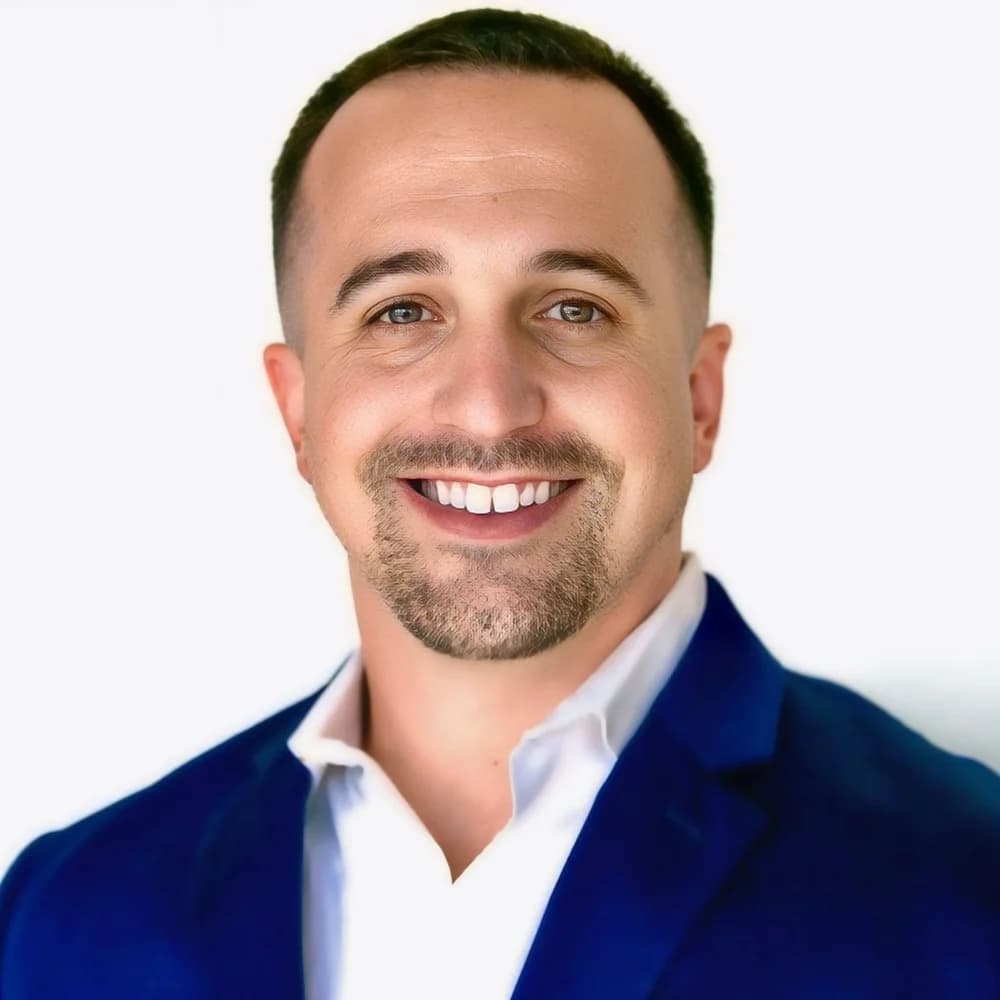 Justin Borges, DRE #01940318 · 8 min read
No, California does not require you to hire a probate attorney to sell a house that is going through probate. An executor or administrator can list and sell real property without one. But if the sale requires court confirmation, meaning the court has not yet granted full authority under the Independent Administration of Estates Act (IAEA), the process has strict statutory steps, and most executors bring in an attorney to handle the court filings while a real estate agent handles the sale itself.
What You Will Learn
Why a Probate Attorney Isn't Legally Required to Sell
California's Probate Code does not require an executor or administrator to retain an attorney simply to sell a house (Courts.ca.gov). The executor named in the will (or the administrator appointed by the court if there is no will) has the legal authority to act on the estate's behalf, including hiring a licensed real estate agent, listing the property, negotiating offers, and closing the sale.
Where this gets confusing is that most estates still work with a probate attorney at some point, but for a different reason: opening the probate case itself. Filing the initial petition, getting Letters Testamentary or Letters of Administration issued, and establishing whether the estate has full authority under the Independent Administration of Estates Act (IAEA) is a court filing process (Courts.ca.gov). Many executors hire an attorney for that filing stage and then rely on their real estate agent for everything related to marketing and selling the home.
So the honest answer is layered: you do not need an attorney to sell the house itself, but you likely already needed one (or still do) to get the estate properly opened and to determine what kind of authority you have to sell without court oversight in the first place. I see this play out constantly on estates from Highland Park to Pasadena to the San Gabriel Valley: the family assumes the real estate side requires a lawyer, when the actual bottleneck was the initial probate filing months earlier.
Executors often call me assuming they need a probate attorney just to put a sign in the yard. Usually what they actually need is confirmation of what authority the court already gave them, which is a five-minute conversation, not a retainer.
Justin Borges, CA DRE #01940318Full IAEA Authority vs. a Court Confirmation Sale
Whether you need extra court involvement to sell comes down to one document: the Letters issued by the probate court and whether they grant "full authority" or "limited authority" under the Independent Administration of Estates Act.
Full IAEA Authority
Limited Authority (Court Confirmation Required)
With full IAEA authority, the executor can accept an offer and close escrow much like any other sale, only sending heirs a Notice of Proposed Action and waiting out the notice period before proceeding. With limited authority, the sale is not final when the seller accepts an offer. It is final only after a judge confirms it at a court hearing, and that hearing allows other buyers to appear in the courtroom and outbid the original buyer in $5,000 increments once bidding starts, under rules set by (Probate Code Section 10309).
An agent experienced in probate sales can tell from the Letters and the petition which situation you are in. If you are unsure which authority your estate has, that document review is one of the first things I check before we even discuss pricing, whether the property is in Glendale, Monrovia, or anywhere else across LA County.
Free Webinar: Inherited Property in California
Walk through probate timelines, IAEA authority, court confirmation rules, and how to sell an inherited home in Los Angeles County without costly delays.
Register for the Free Inherited Property Webinar →What Is My Home Worth in 2026?
Get a free, accurate valuation from Justin Borges, backed by real comps, not a Zestimate. Knowing the home's realistic market value helps you and the court evaluate any offer fairly.
Get My Free Home Valuation →What Happens at a Court Confirmation Hearing
If your estate has limited authority, the sale is not simply a negotiation between buyer and seller. It follows a statutory process designed to protect the estate's beneficiaries by making sure the property sells for the highest reasonably obtainable price.
The minimum overbid requirement
Once the executor accepts an initial offer, that offer becomes the starting bid at the confirmation hearing. California law requires any overbid at the hearing to exceed the accepted offer by at least 10% of the first $10,000 plus 5% of the remaining amount, and bidding proceeds in increments of at least $5,000 once it starts (Probate Code Section 10309). This formula exists specifically so a low opening offer cannot quietly slide through.
Notice requirements before the hearing
The court requires published and mailed notice of the hearing date to all interested parties, giving other potential buyers, and their agents, the opportunity to show up and bid. This is why a probate listing agent typically markets the property broadly before the hearing date, not just to the first buyer.
What the judge actually confirms
At the hearing, the judge reviews the accepted offer, opens the floor to overbids if any qualified bidders appear, and then confirms the sale to whichever bidder submits the highest qualifying bid. Only after the judge signs the confirmation order is the sale legally final and escrow can close.
Overbid Math Example
When an Attorney's Help Actually Matters
Even though an attorney is not legally required to sell the house, there are specific moments in a probate sale where legal counsel is genuinely worth the cost, not just a formality.
- Contested wills or disputes among heirs. If beneficiaries disagree about whether to sell, how to split proceeds, or the executor's conduct, an attorney protects the estate and the executor personally.
- Determining IAEA authority in the first place. Reading the Letters and the court file to confirm full vs. limited authority is a legal document review, and getting it wrong can delay or unwind a sale.
- Preparing and filing the Petition for Confirmation. The court paperwork required to schedule and notice a confirmation hearing is a formal legal filing, and most title companies and courts expect it to be prepared correctly the first time.
- Multiple properties or complex estates. Estates with several parcels, out-of-state heirs, or unclear title history benefit from an attorney coordinating with the real estate agent and the court simultaneously.
- Executor liability concerns. An executor who is worried about personal liability for how the sale is handled should get legal advice specific to their situation, not general information from a blog article.
Outside of these situations, many straightforward full-authority sales move through escrow with a real estate agent handling the transaction and no additional attorney involvement beyond whoever helped open the estate originally. California-licensed real estate agents can represent buyers and sellers in probate transactions, but licensees cannot provide legal advice (Judicial Council). Median home prices across Los Angeles County shift the financial stakes of an estate sale considerably, which is why a real estate agent who tracks local market data alongside the legal process delivers more value than either professional working alone (CA Probate Code).
What Your Real Estate Agent Handles vs. What an Attorney Handles
Because these roles overlap in people's minds, it helps to separate exactly who does what during a probate sale in California.
| Task | Handled By |
|---|---|
| Opening the probate case, filing the initial petition | Probate attorney |
| Determining full vs. limited IAEA authority | Probate attorney (document review) |
| Pricing the home and preparing it for market | Real estate agent |
| Marketing, showings, and negotiating offers | Real estate agent |
| Notice of Proposed Action (full authority sales) | Probate attorney or executor, with agent's timeline input |
| Petition for Confirmation and hearing notice (limited authority) | Probate attorney |
| Representing the estate at the confirmation hearing | Probate attorney (agent typically attends to support bidding) |
| Coordinating escrow, title, and closing | Real estate agent and escrow officer, attorney as needed |
In my experience handling probate and trust sales across LA County, the sales that move fastest are the ones where the agent and the attorney (when one is involved) coordinate early, rather than the executor trying to manage both tracks alone. If you want help figuring out which authority your estate has and what that means for your timeline, talk to Justin directly at (213) 262-5092.
Frequently Asked Questions
Do I legally need a probate attorney to sell a house in California?
No. An executor or administrator can sell estate real property without hiring an attorney. Many estates use an attorney to open the probate case itself, but the sale can be handled by a licensed real estate agent.
What is the difference between full and limited IAEA authority?
Full authority under the Independent Administration of Estates Act lets the executor sell with just a Notice of Proposed Action to heirs. Limited authority requires a court confirmation hearing before the sale is final.
How do I know if my estate has full or limited authority?
Check the Letters Testamentary or Letters of Administration issued by the court, or the original petition. If you are unsure, a probate attorney or an experienced probate real estate agent can review the document with you.
What happens if someone overbids at a court confirmation hearing?
Under Probate Code Section 10309, any overbid must exceed the accepted offer by at least 10% of the first $10,000 plus 5% of the remaining amount, then bidding continues in $5,000 increments until a highest bidder is confirmed by the judge.
Can a real estate agent handle a court confirmation sale alone?
An agent handles pricing, marketing, and negotiating the sale, but the court filings, hearing notice, and Petition for Confirmation are legal documents typically prepared by a probate attorney.
How long does a court confirmation sale take compared to a regular sale?
A full-authority probate sale can move in roughly 30 to 60 days, similar to a standard listing. A limited-authority sale requiring court confirmation typically takes 60 to 120 days or longer due to hearing notice and scheduling.
Do all heirs have to agree before a probate house can be sold?
Not necessarily. The executor generally has authority to sell under the Letters issued by the court. Disputes among heirs about the sale are exactly the kind of situation where an attorney's involvement becomes valuable.
Related Resources
Ready to Talk?
Whether you are still figuring out what authority your estate has or you are ready to list a probate property in Los Angeles County, a no-pressure conversation is the right first step.
- Licensed CA REALTOR since October 2013, DRE #01940318
- $200M+ closed, 106% average list-to-sale ratio
- Experienced with probate, trust, and inherited-property sales across LA County
Text or call (213) 262-5092 with questions about a probate sale.