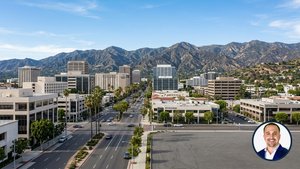




SGV Seller Guide - Walnut, CA
Selling a Home in Walnut in 2026
Walnut USD schools, sub-$1.1M pricing, and a loyal SGV buyer pool make Walnut one of eastern San Gabriel Valley's strongest seller markets - if you know how to position it.
Walnut sits at a specific intersection that makes it one of the more defensible seller markets in the eastern San Gabriel Valley. At roughly 30,000 residents, it is small enough to have genuine community character, incorporated enough to control its own planning, and bordered by City of Industry's industrial sprawl to the north - which functionally limits residential supply expansion. That supply constraint matters a great deal in 2026, when inventory across the SGV remains tight.
The demand side is just as concentrated. Walnut's ~70% Asian-American demographic is not incidental - it reflects deliberate choices by families prioritizing Walnut Unified School District, one of the top-ranked public school systems in LA County. Walnut High School in particular consistently places in the top tiers for AP participation, college matriculation, and statewide academic rankings. When a family is buying at $950K-$1.1M in Walnut, they are often paying a school premium relative to comparable homes in Rowland Heights or La Puente. Understanding that premium - and making it visible in your listing - is the difference between a clean 28-day sale and a 60-day price reduction cycle.
I have been selling homes across the SGV for over 13 years. In that time, Walnut has been consistently underserved by generic "SGV market update" content that treats Rowland Heights, Diamond Bar, and Walnut as interchangeable. They are not. This guide is built specifically for Walnut homeowners thinking about selling in 2026 - with zone-level pricing, school boundary strategy, transfer tax math, and the buyer psychology that actually moves homes here.
🏠 FREE Weekly Workshop — First-Time Buyer Blueprint
Learn exactly how to buy a home in LA — prices, process, and pitfalls. Live every week, totally free.
Reserve Your Free Seat →- Walnut Home Prices by Zone in 2026
- Using Walnut USD Schools to Sell for More
- Best Time to List in Walnut
- What Walnut Buyers Are Actually Looking For
- Transfer Taxes and Net Proceeds
- Pre-Sale Preparation Checklist
- 5 Mistakes Walnut Sellers Make
- Walnut vs. Neighboring Markets
- Frequently Asked Questions
- Quick Reference Cheat Sheet
Market Data
Walnut Home Prices by Zone in 2026
Walnut is not a single market - it breaks into three distinct pricing zones based on lot size, freeway proximity, and school proximity. Knowing your zone determines your comparable set and your pricing strategy.
Typical buyer: SGV move-up family, Chinese-American buyer priced out of Diamond Bar, multigenerational household needing 4+ bedrooms.
Key streets: Grand Ave, Amar Rd north of Nogales, Lemon Ave corridor.
Typical buyer: First-generation homebuyer stepping up from Rowland Heights, investor, Mt. SAC affiliated buyer.
Key streets: Valley Blvd, Nogales St south of Valley, Temple Ave corridor.
Seller strategy: Price 3-5% below Grand Ave comps. Emphasize Walnut USD enrollment, freeway access, lot size vs. Rowland Heights alternatives.
Key streets: Gale Ave, Benito Dr, areas directly abutting CA-60 industrial frontage.
Most Walnut homes were built between 1970 and 1995. That means 30-55 year old HVAC systems, original single-pane windows in many cases, galvanized or copper plumbing depending on the decade, and popcorn ceilings. None of these are deal-breakers if disclosed and priced for. They become deal-breakers when a seller hides them, a buyer's inspector finds them, and everyone loses two weeks of escrow time in a renegotiation. My approach: disclose early, price it in, move clean.
The gap between Walnut and Rowland Heights (roughly $220K as of mid-2026) is not accidental. It is the school premium. Rowland Heights buyers are in Hacienda La Puente Unified, which is a solid district - but it is not in the same tier as Walnut USD. That delta is what makes Walnut defensible even when interest rates compress buying power across the SGV.
Marketing Strategy
Using Walnut USD Schools to Sell Your Home for More
Every Walnut home sold in 2026 is competing - whether the seller knows it or not - against Rowland Heights and West Covina homes at lower price points. The only structural reason a buyer chooses a $1.0M Walnut home over a $780K Rowland Heights home with comparable square footage is Walnut USD. That means the school is not a footnote in your listing - it is the headline.
What I tell every Walnut seller before we go to market: confirm your exact school boundary, and then use it explicitly in every marketing touchpoint. Not "near great schools." Not "in the Walnut area." The specific school name, the specific grade, and the specific performance data. Buyers running school-filtered searches on Zillow, Redfin, and lametrohomefinder.com are using district boundaries as their first filter - before price, before bedrooms, before lot size. If your listing does not name the school clearly, it may not surface in those filtered results at all.
Include this language in your listing remarks: "Property feeds [specific elementary], [specific middle], and Walnut High School per current WUSD boundaries." Then verify it with a screenshot of the WUSD boundary map. Buyers using school-boundary filters will find your home. Buyers doing open searches will have confirmation before they even request a showing. This one line eliminates a common buyer objection and reduces time-wasting from unqualified showings by buyers who thought they were in a different district.
Call to Discuss School Zone Strategy - (213) 262-5092
For sellers in the Valley Blvd zone and the City of Industry border zone, the school angle is especially important. Your home may be priced $80K-$120K below the Grand Ave tier. The buyer who is choosing you over Rowland Heights needs to be able to justify the premium internally - usually to a parent or spouse who is not as familiar with the SGV. Naming Walnut High explicitly gives them that justification in concrete form.
If you are thinking about selling a home in Arcadia, you will find a similar school-premium dynamic at work at a much higher price point. Walnut operates the same logic at a more accessible price band.
Listing Strategy
Best Time to List a Home in Walnut CA
Generic real estate advice says list in spring. In Walnut, that is broadly true but misses the specific demand cycles that are unique to the SGV's school-driven buyer pool.
Text (213) 262-5092 - Ask About Optimal Listing Timing
The Lunar New Year timing note is specific to the SGV and rarely discussed in national real estate media. In Walnut, where the buyer pool is approximately 70% Chinese-American and Vietnamese-American, active home search nearly stops during the New Year observance period (typically one to two weeks in late January or early February depending on the lunar calendar). Sellers who list during this window often misread initial slow activity as market softness and panic-drop their price. Wait two weeks after New Year and activity resumes.
The more actionable calendar driver is the WUSD inter-district enrollment deadline. Families who want to transfer into Walnut USD from outside the district submit applications in late January through February for the following school year. Those families are actively buying during that window - often with urgency that produces cleaner offers and fewer contingencies. A listing that goes live in the last week of January or first week of February is meeting that buyer pool at peak urgency.
Walnut's access to the 60 (Pomona Freeway), 57 (Orange Freeway), and 10 (San Bernardino Freeway) is a genuine differentiator for corporate-relocation buyers and commuters working in multiple directions. Ontario (Amazon, logistics), Industry (manufacturing), Diamond Bar (tech/professional), and even the San Gabriel Valley's westward corridors to Pasadena and Glendale are all reachable from Walnut in reasonable commute windows. Name this in your listing remarks - not every buyer knows the freeway interchange advantage.
For a detailed look at timing considerations in a neighboring market, see the Diamond Bar seller guide, which covers similar SGV demand cycles at a slightly higher price point.
Buyer Psychology
What Walnut Buyers Are Actually Looking For in 2026
Walnut buyers are not interchangeable with Diamond Bar buyers or West Covina buyers. They have specific criteria that, if you understand them, tell you exactly how to stage, photograph, and write your listing description.
Pays premium for: Walnut High School boundary confirmation, large lot for multigenerational use, 4+ bedrooms, 3-car garage, minimal deferred maintenance.
Red flags: Any unpermitted additions (they research permit history), proximity to Valley Blvd commercial, industrial view from backyard.
Pays premium for: Move-in condition (absolutely no deferred maintenance), freeway access, commute story to Ontario or Diamond Bar corporate corridors.
Red flags: Long inspection contingency negotiations, any major system that needs work (HVAC, roof, plumbing).
Pays premium for: Bedroom-to-bathroom ratio (4/3 minimum), downstairs bedroom or in-law suite potential, oversized lot for possible ADU, separate entrance or bonus room.
Red flags: HOA restrictions on accessory structures or multiple vehicles.
Pays premium for: Lots over 8,500 sq ft (ADU feasibility), existing garage conversion potential, Valley Blvd corridor (higher rental demand), proximity to Mt. SAC rental market.
Red flags: HOA with restrictions on accessory dwelling units, lots with setback challenges that limit ADU placement.
- Walnut High School boundary clearly named in listing
- Lot size at or above 8,000 sq ft with flat usable yard
- 3-car garage or 2-car with extra parking pad
- Updated kitchen and bathrooms (not necessarily luxury-grade)
- Move-in condition with no deferred maintenance flagged in listing
- Priced within $50K of Diamond Bar equivalents (the premium feels reasonable)
- Low crime block with good walkability to Valley Blvd services
- Overpricing against Diamond Bar comps (different buyer pools)
- Deferred HVAC, roof, or plumbing found by buyer's inspector
- Unpermitted garage conversion or addition flagged in permit history
- Industrial or commercial view from backyard (City of Industry border)
- Listing during Lunar New Year pause and misreading slow activity as market softness
- No mention of Walnut USD in listing - misses school-filtered searches
- Interior photos with dated decor that signals renovation cost to buyers
Discuss Your Walnut Buyer Pool - (213) 262-5092
The multigenerational buyer angle is worth special attention. In my 13 years of selling SGV homes, Walnut has one of the highest concentrations of multigenerational purchase decisions I see. Three generations may walk through a home during a showing. The grandmother's opinion on kitchen layout matters. The adult son's analysis of the garage size matters. Staging a Walnut home for a single professional buyer misses the actual decision-making unit. Set the dining table for a large family. Show the flex room as a possible in-law bedroom. Make the backyard feel like a gathering space.
Sellers considering both Walnut and nearby Rowland Heights should understand that while the markets are adjacent, the buyer pools are distinct - Rowland Heights draws a somewhat different demographic mix with different school priorities and price expectations.
Financial Planning
Transfer Taxes and Net Proceeds for Walnut Sellers
One of the most common questions I get from Walnut sellers is whether they are subject to any additional transfer taxes beyond the standard county rate. The short answer: no. Walnut is an incorporated city in LA County but it sits outside LA city limits. That means no Measure ULA (the "mansion tax" that applies to LA city properties over $5M). Walnut sellers pay only the standard LA County Documentary Transfer Tax of $1.10 per $1,000 of the sale price - regardless of how high the sale price goes.
Text for a Net Proceeds Estimate - (213) 262-5092
These are illustrative estimates - your actual numbers depend on your specific mortgage balance, the condition of your home, and what commission structure you negotiate. Under post-August 2024 NAR rules, seller commission structure is more flexible than it was previously. You are no longer required to pre-commit to paying a buyer's agent commission on MLS. The three current options in the Walnut market are: offer a buyer-side co-op commission (still common and recommended for highest buyer pool access), negotiate case-by-case as offers arrive, or list without offering buyer-side compensation and let buyers pay their own agent (less common, but legal). I walk every client through the tradeoffs before we go to market.
Walnut sellers who are also thinking about a 1031 exchange into an investment property should review the 1031 exchange guide - the 45-day identification window starts the day you close, so planning needs to start before the listing goes live, not after.
Preparation
Pre-Sale Checklist for Walnut Homeowners
Most Walnut homes were built between 1970 and 1995. That age range has predictable issues: HVAC systems that are overdue for replacement or service, roofs that are at or near the end of a 20-25 year lifespan, original windows, and kitchens and bathrooms that have seen three or four decades of use. The sellers who move clean and fast are the ones who address these issues proactively - before the buyer's inspector does it for them.
- Have HVAC system serviced and obtain service report
- Get a roof inspection (and repair if under 5 years to end-of-life)
- Run a permit history check through the City of Walnut building department
- Confirm school boundary via WUSD boundary map and screenshot it
- Get a pre-listing home inspection (optional but powerful - shows buyers you have nothing to hide)
- Consult on ADU potential if lot is 8,000+ sq ft (this adds a buyer pool)
- Identify and address any deferred maintenance items visible from street (curb appeal, driveway cracks, garage door)
- Declutter all rooms - rental storage unit for 30 days if necessary
- Deep clean entire property including garage, windows, and attic access panels
- Touch up interior paint in high-traffic areas (or full repaint if walls show significant wear)
- Stage key rooms - living room, primary bedroom, kitchen (professional staging recommended at $950K+ price points)
- Professional photography and video walkthrough - do not use phone photos at this price point
- Confirm listing description names the specific school(s) serving the address
- Prepare seller disclosure package: TDS, NHD, SPQ - have agent review before going live
- Landscaping refresh: mulch, seasonal flowers, trimmed hedges and lawn
- Replace any burnt-out exterior lighting
- Clean and organize garage - buyers inspect it thoroughly in Walnut (3-car garages are a selling point, not storage)
- Set thermostats: 72 degrees for showings regardless of outdoor temperature
- Remove personal photos and religious items from visible display during showings
- Confirm with agent: IDX search, MLS entry, Zillow/Redfin syndication all live on day 1
Garage conversions to living space and room additions built without permits are more common in Walnut's 1970s-1990s housing stock than most sellers realize. A buyer's inspector will flag it. A buyer's lender may not lend on it. The Walnut building department maintains a permit history that any buyer or agent can pull. If you have unpermitted work, discuss retroactive permitting options with a licensed contractor before listing - or price and disclose proactively. Hiding it creates escrow blowups; disclosing it upfront keeps you in control of the narrative.
Common Pitfalls
5 Mistakes Walnut Sellers Make in 2026
After 13 years of watching SGV sellers succeed and stumble, I see the same mistakes repeat in Walnut. All five are avoidable with the right preparation.
Market Context
Walnut vs. Neighboring Markets in 2026
Walnut sellers often wonder how their home will be perceived relative to comparable homes in adjacent cities. Here is how the key markets compare as of mid-2026:
| City | Median SFR | Avg DOM | School District | Key Differentiator |
|---|---|---|---|---|
| Walnut | $1.0M-$1.1M | 30-45 days | Walnut USD (top 10% CA) | School premium, safety, large lots, limited supply |
| Diamond Bar | $1.1M-$1.25M | 28-40 days | Pomona USD / Walnut USD (split) | Slightly higher price ceiling, also school-driven demand |
| Rowland Heights | $780K-$860K | 35-50 days | Hacienda La Puente USD | Lower entry point, unincorporated (LA County), broader buyer pool |
| West Covina | $800K-$880K | 35-55 days | West Covina USD / Covina-Valley USD | More inventory, higher DOM, less school premium |
| La Puente | $650K-$730K | 40-60 days | Hacienda La Puente USD | Affordable entry, high investor activity, longer DOM typical |
Call (213) 262-5092 - Free SGV Market Comparison
The comparison table shows what the Walnut school premium looks like in dollar terms. A buyer who can afford $850K in West Covina can buy in Walnut at $950K-$1.0M if Walnut USD is the priority - and many SGV families make exactly that trade. That cross-market buyer pool is one reason Walnut's market has historically shown more price stability than cities with weaker school systems during rate-compression periods.
Sellers in the West Covina market have a different strategic calculation - see the West Covina seller guide for how that market's dynamics compare. For sellers in Rowland Heights - also a strong SGV market but with a different buyer dynamic - the Rowland Heights guide covers that territory specifically.
Sellers who are thinking about their next step after Walnut often look east toward Diamond Bar or further east toward the Inland Empire. The Diamond Bar guide covers the trade-up math in detail.
💰 What's My Home Worth in 2026?
Get a free, accurate valuation from Justin Borges — backed by real comps, not a Zestimate.
Get My Free Home Valuation →Common Questions
Frequently Asked Questions
Is Walnut CA a good place to sell a home right now?
Yes. Walnut's sub-$1.1M price range, Walnut USD's top-10% statewide school ratings, and low crime numbers attract a steady pool of SGV move-up buyers and families relocating from pricier cities. Homes priced correctly typically sell within 30-45 days. The City of Industry industrial border to the north functionally limits new residential supply, which helps sustain prices even during rate-compression cycles.
What are the transfer taxes when selling a home in Walnut CA?
Walnut sellers pay the standard LA County Documentary Transfer Tax of $1.10 per $1,000 of the sale price. On a $1,000,000 sale, that is $1,100. There is no additional city transfer tax above the county rate. Measure ULA - the City of LA "mansion tax" on properties over $5M - does not apply to Walnut because Walnut is an independent city outside LA city limits.
How do I use Walnut USD schools to sell my home for more?
Name the specific school in your listing - not "near good schools" but the actual school name with boundary confirmation. Include a screenshot of the WUSD boundary map in your marketing materials. Buyers running school-boundary filters on real estate portals will find your home only if it is explicitly tied to a Walnut USD campus. This one tactic captures school-priority buyers at peak urgency and reduces time-wasting from unqualified showings.
What is the median home price in Walnut CA in 2026?
Walnut's median home price in 2026 ranges from roughly $900K to $1.1M depending on the neighborhood zone. The Grand Ave corridor and hillside lots with views trend toward $1.0M-$1.2M+. Valley Blvd area homes typically trade at $880K-$1.05M. Properties near the City of Industry border run $860K-$960K. Lot size, school-boundary tier, and freeway noise exposure are the primary variables within each zone.
How long does it take to sell a home in Walnut CA?
Well-priced Walnut homes typically go under contract within 21-35 days in 2026. Overpriced homes or those with deferred maintenance flagged by inspectors can sit 60-90 days before price reductions bring them to market. Listing in late January through April aligns with peak SGV family buying activity tied to Walnut USD enrollment deadlines - that window produces the fastest sales and cleanest offers.
Does Measure ULA apply to home sales in Walnut CA?
No. Measure ULA is a City of Los Angeles ordinance targeting high-value property sales within LA city limits. Walnut is an incorporated city in LA County but is not part of the City of Los Angeles. Walnut sellers are completely exempt from Measure ULA regardless of the sale price. This is a meaningful selling advantage compared to properties in the City of LA above $5M.
What upgrades actually help Walnut homes sell faster in 2026?
Fresh interior paint, refinished or new flooring, and updated kitchen hardware produce the highest return on cost in Walnut. Buyers paying $900K-$1.1M expect move-in condition. HVAC servicing and a roof inspection are non-negotiable - these are the two most common inspection flags in 1970s-1990s Walnut homes. Luxury-grade kitchen renovations rarely recoup full cost; functional and clean is the target, not magazine-cover.
Who is buying homes in Walnut CA right now?
The dominant Walnut buyer in 2026 is a Chinese-American or Vietnamese-American family priced out of Arcadia or Diamond Bar, prioritizing Walnut High School's ranking and lot size. Secondary pools include corporate transferees accessing the 60/57/10 freeway network, multigenerational households needing 4+ bedrooms, and SGV investors targeting ADU-potential lots near Valley Blvd and Mt. SAC.
Quick Reference
Walnut Seller Cheat Sheet
If you want X - here is what you should do
| Your Goal | The Right Move |
|---|---|
| Maximum sale price | List late January to March, name every Walnut USD school in listing, HVAC serviced, fresh paint, professional staging |
| Fastest sale | Pre-list inspection so no surprises, price slightly below Grand Ave comps if in Valley Blvd zone, accept first clean offer at or above list |
| Avoid Measure ULA | You already do - Walnut is outside LA city limits, no mansion tax applies at any price |
| Attract multigenerational buyers | Stage for large family gatherings, show flex room as in-law option, emphasize lot size and multi-car garage capacity |
| Address deferred maintenance without over-spending | Service HVAC, roof inspection, fix any visible plumbing issues, fresh paint - skip luxury renovations |
| Price your home correctly | Pull Walnut comps only - not Diamond Bar. Zone matters: Grand Ave, Valley Blvd, and City of Industry border are three different comp sets |
| Capture school-priority buyers | Name the exact elementary, middle, and high school in listing description - not "near good schools" |
| Sell with ADU angle | Have lot size verified, confirm setbacks with City of Walnut building dept, include ADU feasibility note in listing |
| Calculate net proceeds | $1.10 per $1,000 county transfer tax + commission (2.5-3%) + escrow/title ($5.5K-$7K) + repairs - no Measure ULA |
| Understand your buyer before listing | Call (213) 262-5092 - I will walk through the specific buyer profile for your address, zone, and price range |
Related Resources
More Seller Guides for Eastern SGV
If you are comparing Walnut to adjacent markets or considering where to buy next, these guides cover the neighboring cities in detail:
- Selling a Home in Diamond Bar in 2026 - The step-up market to Walnut's east, with a higher price ceiling and similar school-premium dynamics.
- Selling a Home in Rowland Heights in 2026 - Walnut's western neighbor, unincorporated, with a different school district and lower price band.
- Selling a Home in West Covina in 2026 - More inventory, different school dynamics, and a broader buyer pool than Walnut.
- Selling a Home in Arcadia in 2026 - The premium school-market tier above Walnut, showing where the school premium logic operates at $1.5M-$2M+.
- Selling a Home in Whittier in 2026 - SE LA County seller guide with different market drivers but similar 1970s-1990s housing stock considerations.
Ready to Sell Your Walnut Home?
Get a real market analysis for your specific address, zone, and school boundary - not a Zestimate, not a county average. A real conversation about your actual home.
SMS primary. (213) 262-5092 - call or text. DRE #01940318. Justin Borges, 680 E Colorado Blvd, Suite 180, Pasadena, CA 91101.