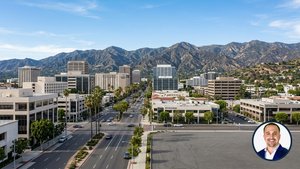




Moving from SF to the Peninsula or East Bay
Compare neighborhoods, commute times, transfer taxes, and schools across Burlingame, San Mateo, Oakland, and Berkeley — with a step-by-step relocation plan.
What's in This Guide
- Peninsula vs. East Bay: Side-by-Side Overview
- Why SF Homeowners Are Leaving Right Now
- Neighborhood Breakdown: Where to Look
- True Cost Comparison: SF vs. Peninsula vs. East Bay
- Transfer Tax Map: What You Pay When You Move
- Commute Reality Check
- School District Snapshot
- Rent Control & Tenant Law: What Buyers Must Know
- Prop 19: The 55+ Tax Break Most Sellers Miss
- How to Time Your Sale and Purchase
- Relocation Checklist
- Frequently Asked Questions
I've helped dozens of SF homeowners make this transition. The question isn't whether to leave San Francisco — rising costs and remote work have made that a logical choice for many. The question is: Peninsula or East Bay? Both offer more space, better schools in many pockets, and a genuine yard. But they serve different lifestyles and come with very different cost structures, legal environments, and market dynamics.
This guide breaks down everything you need to compare intelligently — and helps you avoid the transfer tax traps, rent control surprises, and timing mistakes I see most often. Whether you're targeting Burlingame's top-rated schools, Oakland's faster BART commute, or Berkeley's walkable neighborhoods, the data here gives you a real picture of what each move costs and what you gain.
Why SF Homeowners Are Leaving Right Now
San Francisco has seen a net outmigration of homeowners since 2020 — and the pace hasn't fully reversed in 2026. The reasons are a consistent cluster of four factors:
- Space and lifestyle: The average SF single-family home is 1,200–1,800 sq ft on a narrow lot. For the same money in Burlingame, San Mateo, or the Oakland hills, buyers typically get 400–800 more square feet, a usable backyard, a garage, and in many cases a quieter street. When remote work reduced the daily commute burden, the calculus shifted decisively toward space.
- School quality: SF Unified School District (SFUSD) has faced significant challenges — declining enrollment, school closures, and persistent achievement gaps. Peninsula districts like Burlingame ESD and Millbrae ESD consistently rate 9–10/10. Even selective East Bay enclaves like Piedmont USD outperform SFUSD statewide rankings, making relocation especially attractive for families entering the school-age years.
- Equity extraction: Long-time SF homeowners are sitting on remarkable equity — often $600K to $1.5M over what they paid. Selling and moving to a comparable home in a Peninsula or East Bay suburb often allows them to pay all-cash or dramatically reduce their mortgage, lowering monthly costs and financial stress simultaneously.
- Policy fatigue: SF's regulatory environment — rent control on existing rental units, Prop M transfer taxes on high-value sales, soft-story seismic retrofit mandates, and restrictive ADU permitting — has added layers of complexity for landlords and sellers. Many homeowners with tenant-occupied units are using a sale as their clean exit from that regulatory environment.
None of this makes SF a bad place to own. San Francisco remains one of the most valuable real estate markets on earth. But for homeowners whose life priorities have shifted, the Peninsula and East Bay offer compelling alternatives that are close enough to maintain the SF network while dramatically improving daily quality of life.
Talk Through Your Options — (510) 277-4420Peninsula vs. East Bay: Side-by-Side Overview
Peninsula (Burlingame / San Mateo / Millbrae)
- Median SFR price $1.9M–$2.5M
- Caltrain to SF 22–35 min
- School ratings 8–10/10 avg
- Transfer tax (buyer) 0.11% of price
- Climate Warmer, sunnier
- Inventory pace Fast (7–14 DOM)
- Lifestyle Suburban, car-friendly
- Rent control exposure Low (AB 1482 floor only)
- Best for Families, southbound commuters
East Bay (Oakland / Berkeley / Walnut Creek)
- Median SFR price $850K–$1.5M
- BART to SF 8–28 min
- School ratings 4–9/10 (varies widely)
- Transfer tax (buyer) 0.75–1.5% of price
- Climate Mild, less fog than SF
- Inventory pace Competitive (offer dates)
- Lifestyle Urban-suburban mix
- Rent control exposure High in Oakland & Berkeley
- Best for Budget-conscious, walkability seekers
Neighborhood Breakdown: Where to Look
Bay Area micro-neighborhoods differ sharply in price, school catchment, and lifestyle — even within the same city. Here's a granular look at the top relocation targets for SF leavers.
Peninsula Picks
Burlingame
Top-rated Burlingame ESD schools, charming downtown on Burlingame Ave, Caltrain 28 min to SF 4th & King. One of the most sought-after Peninsula cities for SF families. Inventory is tight — the city is fully built-out, so new listings command immediate multiple offers. If you want Burlingame, be prepared to move quickly when the right home appears. Walkable to downtown cafes and restaurants is an underrated bonus for buyers accustomed to SF street life.
San Mateo
Larger city with diverse neighborhoods — Baywood, College Heights, Beresford. San Mateo Union HS district is strong. Caltrain direct to SF. More inventory than Burlingame, which means less auction pressure. Downtown San Mateo has developed significantly: 3rd Ave corridor, a growing restaurant scene, and Caltrain access make it increasingly desirable. The city spans a wide price range, with College Heights and Beresford Park entry points well below $1.6M and North Shoreview approaching $2.2M+.
Millbrae
BART + Caltrain hub (rare dual access). Millbrae ESD rates well. Good for both SF and South Bay commuters. Has a walkable downtown strip along El Camino Real. The dual transit access is Millbrae's unique advantage — buyers who work in both SF and the South Bay prize it. Smaller city feel; many homes are single-story ranchers with large lots relative to price, appealing to buyers who want outdoor space.
Hillsborough
Unincorporated luxury — no commercial strips, large lots, estate homes. All children attend San Mateo public schools (inter-district). Low crime, maximum privacy. Hillsborough is the Peninsula's understated luxury play: no hotel, no gas station, no commercial zone of any kind. Pure residential. Lots often exceed half an acre. For SF families upsizing into a true estate environment, Hillsborough delivers in a way no other Peninsula city does at the same price per square foot.
Not finding what you need in these four cities? Search all San Mateo County listings or call (510) 277-4420 to discuss your specific needs.
East Bay Picks
Piedmont
Enclave city entirely surrounded by Oakland. Top-rated Piedmont USD schools, very low crime, BART accessible via adjacent Rockridge. Feels suburban but 20 min BART to SF. Piedmont is small — just 1.7 square miles — which creates scarcity that drives consistent appreciation. The school district is uniformly excellent; unlike Oakland Unified, there's no lottery or variance by neighborhood. Buyers looking for East Bay pricing with Peninsula-level school consistency often land here.
Rockridge / Montclair
Walkable Rockridge with College Ave shops; Montclair has a village feel with hills homes. Both have BART access and good Oakland Unified school options — with the caveat that specific school selection matters. Rockridge Elementary and Chabot Elementary are among the best OUSD schools. Montclair's hills homes sit above the fog line and offer dramatic bay views; expect a 10–15% premium over flatlands pricing for view lots.
North / West Berkeley
Berkeley USD schools, walkable to UC Berkeley campus, BART 22 min to SF. Elmwood and Claremont Hills are family favorites. Strong community feel. Berkeley's Elmwood neighborhood — bounded by Claremont Ave and College Ave — is one of the most coveted small-city blocks in the Bay Area. Craftsman bungalows, walkable to outstanding restaurants, close to the Berkeley Hills fire trail system. Berkeley USD offers diverse magnet options including the highly regarded Arts Magnet and International High School programs.
Walnut Creek / Lamorinda
Further east but BART-connected (40 min to SF). Excellent Acalanes and WCCUSD schools, true suburban lifestyle, newer inventory. Best value for peninsula-level school quality at a lower price point. Lafayette, Moraga, and Orinda (the "Lamorinda" corridor) consistently rank among the safest and highest-achieving school districts in California. Buyers who can tolerate a slightly longer BART commute gain significant purchasing power — a $1.3M budget that buys a small condo in San Mateo can purchase a 4BR SFR in Lafayette.
True Cost Comparison: SF vs. Peninsula vs. East Bay
The sticker price of a home is only one part of the equation. When you leave SF and buy elsewhere, your monthly housing costs shift in ways that aren't obvious. Here's a full breakdown on a hypothetical $1.5M purchase in each market, assuming a 20% down payment ($300K) and a 30-year fixed mortgage at current rates.
| Cost Component | SF (Selling) | Peninsula (Buying) | East Bay / Oakland (Buying) |
|---|---|---|---|
| Purchase price (example) | $1,500,000 | $1,500,000 | $1,500,000 |
| Property tax rate | ~1.18% of assessed value | ~1.10% of assessed value | ~1.35% of assessed value (incl. special assessments) |
| Annual property tax (est.) | ~$17,700 | ~$16,500 | ~$20,250 |
| Transfer tax at purchase | N/A (seller pays) | ~$1,650 (buyer share) | ~$22,500 (buyer share at Oakland rate) |
| HOA (if applicable) | $400–$900/mo (condos) | Mostly $0 for SFRs | Mostly $0 for SFRs |
| Typical insurance (SFR) | $2,200–$3,500/yr | $2,000–$3,200/yr | $2,800–$4,500/yr (wildfire zone premium) |
| Wildfire risk zone | Mostly low risk | Low–moderate | Moderate–high (hills zones) |
| Seismic retrofit required? | Soft-story: mandatory if pre-1978 3+ units | Voluntary for SFRs | Oakland voluntary for SFRs; program available |
Estimated first-year total cost premium of buying in Oakland hills vs. the Peninsula, when transfer taxes, higher property tax, and insurance differentials are combined on a $1.5M purchase. For buyers on the margin, this difference can tip the decision.
The true picture isn't just about the sticker price. Run the full first-year ownership cost before deciding between East Bay and Peninsula. Call (510) 277-4420 and I'll walk through a personalized cost comparison for your target neighborhoods.
Transfer Tax Map: What You Pay When You Move
Transfer taxes are a real and often underestimated cost of leaving SF and buying elsewhere. Here is what to budget at each step of your transaction — both on the sale side in SF and the purchase side in your new city.
| Location | Tax Rate | Who Pays | On a $1.5M Home |
|---|---|---|---|
| San Francisco (selling) — under $1M | 0.5% | Seller | N/A (below threshold) |
| San Francisco (selling) — $1M–$5M | 0.68% (county + city) | Seller | ~$10,200 at $1.5M |
| San Francisco (selling) — $5M–$10M (Prop M tier) | +3% additional on portion over $5M | Seller | N/A (below $5M) |
| Oakland (buying) | Graduated: 1.5% up to $300K; 1.5%–3% graduated over $300K | Split 50/50 buyer & seller | ~$22,500 buyer share on $1.5M |
| Berkeley (buying) | 1.5% under $1.8M; 2.5% over $1.8M | Seller traditionally pays; negotiable | ~$22,500 total on $1.5M |
| Burlingame (buying) | $1.10 per $1,000 = 0.11% | Buyer | ~$1,650 |
| San Mateo City (buying) | 0.11% (county rate only) | Buyer | ~$1,650 |
| Hillsborough (buying) | 0.11% (county rate only) | Buyer | ~$1,650 |
| Walnut Creek (buying) | 0.11% (Contra Costa county rate) | Buyer | ~$1,650 |
| Millbrae (buying) | 0.11% (San Mateo county rate) | Buyer | ~$1,650 |
Have questions about how transfer taxes affect your specific transaction? Call (510) 277-4420 before you make an offer.
Commute Reality Check
For most SF leavers, the commute is a critical constraint. Here's the real data on transit times, reliability, and annual pass costs for every major relocation target — including hybrid-work scenarios.
| Destination | Mode | Off-Peak | Rush Hour | Annual Pass Cost |
|---|---|---|---|---|
| Burlingame → SF (4th & King) | Caltrain | 28 min | 32 min | ~$2,800/yr |
| San Mateo → SF (4th & King) | Caltrain | 34 min | 38 min | ~$3,100/yr |
| Burlingame → SF | Drive 101N | 20 min | 55–75 min | Gas + tolls |
| Oakland (12th St) → SF (Embarcadero) | BART | 8 min | 10 min | ~$1,800/yr |
| Berkeley (Downtown) → SF (Embarcadero) | BART | 22 min | 26 min | ~$2,100/yr |
| Walnut Creek → SF (Embarcadero) | BART | 42 min | 48 min | ~$3,400/yr |
| Millbrae → SF (Embarcadero) | BART | 28 min | 32 min | ~$2,500/yr |
| Millbrae → SF (4th & King) | Caltrain | 30 min | 35 min | ~$2,700/yr |
Hybrid Work Changes Everything
In 2026, the majority of SF-based tech, finance, and professional services workers commute 2–3 days per week rather than 5. This fundamentally shifts the calculus on commute tolerance. A Walnut Creek buyer commuting Tuesday–Thursday spends roughly 96 minutes in transit per week — equal to a daily one-way SF-to-Sunset drive in traffic. Meanwhile, they're getting a 4-bedroom home with a yard, Acalanes-quality schools, and a purchase price $600K–$900K below comparable Burlingame homes.
The key question to ask yourself: How many days per week do I actually need to be in SF? The answer determines whether Oakland (8-minute BART), Berkeley (22-minute BART), or even Walnut Creek (42-minute BART) is workable for your lifestyle.
School District Snapshot
School quality is the primary driver for families leaving SF — and it's highly nuanced. District averages can mislead; what matters is the specific elementary school your target address feeds into. The table below gives district-level context, followed by guidance on how to dig deeper.
| District | Area | Overall Rating | Notable Schools | Key Consideration |
|---|---|---|---|---|
| Burlingame ESD + SMUHSD | Burlingame | 9/10 | Franklin, BIS, Burlingame HS | Consistent across all schools; no lottery |
| San Mateo-Foster City ESD | San Mateo | 8/10 | Baywood, College Park, San Mateo HS | Varies somewhat by neighborhood zone |
| Millbrae ESD | Millbrae | 9/10 | Green Hills, Millbrae HS (SMUHSD) | Small district; strong across the board |
| Piedmont USD | Piedmont | 10/10 | Piedmont HS (#1 in Alameda Co.) | Only for Piedmont residents; no open enrollment |
| Oakland Unified (select schools) | Oakland | 4–8/10 | Skyline HS, Chabot Elem, Thornhill Elem | Wide variance; verify individual school, not district |
| Berkeley USD | Berkeley | 7/10 | Berkeley HS, Willard, Oxford, Arts Magnet | Strong magnets; neighborhood schools vary |
| Acalanes UHSD / WCCUSD | Walnut Creek / Lamorinda | 9/10 | Campolindo HS, Las Lomas HS, Lafayette Elem | Consistently high; best value per dollar in Bay Area |
| San Francisco USD | San Francisco | 5–7/10 | Lowell HS (selective), Alice Fong Yu, Ruth Asawa | Citywide lottery; no address-based guarantee |
How to Verify the Actual School for a Specific Address
Don't rely on district averages alone. Follow these steps before making any offer on a home where school quality matters:
- Use the district's official school finder tool — enter the exact address to confirm the attendance zone. Boundaries sometimes shift by a single block.
- Cross-reference the specific elementary school on GreatSchools.org — look at the equity rating alongside the overall rating to understand the full picture.
- Check state test score data at CDE DataQuest (California Department of Education) — sort by English Language Arts and Math proficiency for the specific school over the past 3 years.
- Ask locals. Join the neighborhood Facebook group or Nextdoor for your target zip code and ask parents directly. The real information lives with the people who send their kids there.
- Tour the school during a school visit day if timeline allows. First impressions of leadership, culture, and facilities matter in ways ratings don't capture.
Peninsula districts like Burlingame ESD, Millbrae ESD, and the SMUHSD offer more consistent performance across all schools in the district — making it easier to choose a neighborhood without school-zone anxiety. East Bay requires more research but also has pockets of genuine excellence, particularly in Piedmont, Rockridge, and the Lamorinda corridor.
Search Homes in Top School ZonesRent Control & Tenant Law: What Buyers Must Know
If you're buying a home with an existing tenant — or a multi-unit property — the legal landscape differs significantly between SF, Oakland, Berkeley, and Peninsula cities. Understanding this before you make an offer can save you from a very expensive mistake.
San Francisco — Selling Out From Under Rent Control
SF's Rent Ordinance (Admin Code Chapter 37) covers most residential units built before June 13, 1979. If you're selling a tenant-occupied SF unit, the buyer takes the property subject to the tenant's rights — including rent stabilization and just-cause eviction protections. The Costa-Hawkins Rental Housing Act limits rent control to pre-1995 units (with some SF-specific carve-outs). The Ellis Act allows owner-withdrawal from the rental market, but requires 120-day notice (1 year for elderly or disabled tenants) and bars re-rental for 5 years. Sellers with tenant-occupied SF units should consult a tenant law attorney before listing — the liability exposure from improperly handled tenancy terminations is substantial.
Oakland — Just Cause Ordinance and High Transfer Tax
Oakland's Just Cause for Eviction Ordinance (JCEO) is one of the most tenant-protective in California. It covers most rental units regardless of age. Valid reasons to terminate tenancy include owner move-in (OMI), but OMI requires 90-day written notice and relocation assistance equal to three months of rent — at the tenant's current rent, which may be far below market. On a $1.5M Oakland home where a tenant pays $1,800/month (below market due to AB 1482 caps), your relocation assistance obligation is $5,400. That's manageable — but if the tenant challenges the OMI's legitimacy, the process can extend 6–12 months.
Berkeley — Rent Board and Strong Tenant Protections
Berkeley's Rent Stabilization and Eviction for Good Cause Ordinance (the Berkeley Rent Ordinance) is similarly broad. It covers units built before December 31, 1980. The Rent Board sets annual allowable increases; in 2025–2026, the general rent increase is approximately 3.5%. Berkeley's owner move-in eviction process is comparable to Oakland's — 90-day notice, relocation assistance — but the Berkeley Rent Board has historically been more activist in tenant-side enforcement. For buyers targeting tenant-occupied Berkeley properties, factor this in carefully.
Peninsula Cities — Significantly Simpler
Peninsula cities like Burlingame, San Mateo, Millbrae, and Hillsborough operate under California's statewide AB 1482 tenant protection floor — which applies to most units built before 2005 and owned by corporate landlords or large portfolios. For individual homeowners purchasing a single-family home or condo that is not currently rented, AB 1482 is essentially a non-issue. The simpler regulatory environment is a meaningful quality-of-life factor for buyers who have dealt with SF or East Bay tenant law complexity.
Questions About Tenant Law Exposure? Call (510) 277-4420Prop 19 Consideration: Are You 55+?
If you or your spouse is 55 or older, California's Proposition 19 allows you to transfer your SF property tax base to a new California home. This is one of the most valuable — and most underutilized — provisions in California real estate law for long-time SF homeowners.
Prop 19 applies statewide, so it works for Peninsula or East Bay purchases. The key rules:
- Who qualifies: Age 55+, severely disabled, or a victim of a wildfire or natural disaster. Either spouse must meet the age requirement.
- Timing window: You have 2 years from the date of sale of the original home to purchase and move into your replacement home.
- Purchase price: If your replacement home costs more than your original home's current market value, only the difference above market value is added to your transferred base. You don't lose the benefit entirely for moving up in price.
- Lifetime limit: You can use Prop 19 up to three times. Previously (under old law) it was once — this is an improvement that many clients don't know about.
- Primary residence requirement: The replacement home must become your primary residence within one year of purchase or completion of construction.
Timing your SF sale and new purchase to qualify for Prop 19 requires coordination — especially if you're selling and buying simultaneously. A bridge loan or well-structured contingency offer can protect your 2-year window.
Ask Me About Prop 19 Timing — (510) 277-4420How to Time Your SF Sale and New Purchase
The simultaneous-close challenge is one of the top concerns I hear from SF leavers. The fear is real: what if your SF home sells fast but you can't find anything to buy? Or you fall in love with a home in Burlingame before your SF listing is live? Here are the three proven strategies, with the tradeoffs of each.
Strategy 1: Bridge Loan
A bridge loan lets you borrow against your existing SF home's equity to fund the down payment and close on your new home — before selling. You temporarily carry two mortgages, but the bridge loan is short-term (typically 6–12 months) and paid off when your SF home closes. This is the most powerful strategy for competitive Peninsula markets where you cannot afford to write a "contingent on sale" offer. Requirements: typically 20–30% equity in your SF home, strong credit, and a lender who specializes in bridge financing. Not all banks offer bridge loans — work with a mortgage broker who has experience with this product in the Bay Area market.
Strategy 2: Sell First, Rent Back
You accept an offer on your SF home, then negotiate a 30–60 day rent-back period — allowing you to stay in the SF home while you search for and close on your Peninsula or East Bay purchase. This eliminates the double-mortgage risk and gives you the financial confidence of knowing exactly what you net from the SF sale. The downside: buyers in competitive Peninsula markets may not accept an offer contingent on the rent-back period, and in a hot market, 60 days may not be enough time to find and close a new home. Best used in a moderately balanced market.
Strategy 3: Contingent Offer
You write an offer on the new home contingent on the close of your SF sale. Sellers in balanced or buyer-favoring markets will sometimes accept this, especially if your SF home is already in contract. In a hot seller's market (like Burlingame in 2025–2026), sellers with multiple non-contingent offers will reject a contingent offer outright. The strategy works best in East Bay cities with slightly more negotiating flexibility or for homes that have been sitting on market.
Ready to map out your move timeline? Call (510) 277-4420 — I'll walk through the strategy that fits your equity position, timeline, and target market.
Relocation Checklist: SF Exit to Peninsula or East Bay
Use this checklist to stay on track through every phase of your relocation — from initial decision-making through first week in your new home.
- Determine whether Peninsula or East Bay fits your commute pattern, school priorities, and lifestyle
- Get your SF home's current market value — a real CMA from an agent, not an automated estimate
- Check whether you or your spouse qualifies for Prop 19 base-year transfer (55+, disabled, or disaster survivor)
- Run transfer tax estimates for your top 2–3 target cities — Oakland vs. Burlingame is a $20,000+ difference
- Verify wildfire insurance availability and cost for any hillside East Bay property before making an offer
- If property has tenants: confirm current rent, move-in date, and consult an attorney on OMI timeline and relocation assistance requirements
- Get pre-approved for a jumbo loan in your target price range — and ask about bridge loan availability
- Research offer date patterns in target neighborhood (East Bay often sets offer dates 7–10 days after list; Peninsula is faster)
- Discuss bridge loan, sell-first with rent-back, or contingent offer strategy with your agent
- Schedule a buyer tour in your top 2 neighborhoods before listing your SF home
- Verify the specific school catchment zone for each address you're seriously considering
- Identify 3 backup neighborhoods in case your first-choice market exceeds budget
- Stage checkpoint commit: get SF home inspection-ready before listing
- Coordinate move dates so you don't have a gap between selling and moving into your new home
- Update DMV, voter registration, and USPS mail forward within 10 days of move-in
- Transfer all utilities; notify HOA if applicable; update insurance policies to new address
Search Homes in Your Target Area
Browse current listings in every major Bay Area relocation market. Updated daily from the MLS.
Need help narrowing down? Call (510) 277-4420 — I'll pull a custom shortlist based on your budget, commute, and school requirements.
Frequently Asked Questions
Is it cheaper to live on the Peninsula or East Bay compared to SF?
It depends on the neighborhood and what you're comparing. Peninsula cities like Burlingame and San Mateo run $1.5M–$2.5M for single-family homes — comparable to SF in sticker price. East Bay cities like Oakland and Berkeley offer a wider range from $700K condos to $2M+ hills homes. The real savings in both markets come from space: you typically get 400–700 more square feet, a real backyard, and a usable garage for the same dollar. On a cost-per-square-foot basis, the East Bay offers more value, but the higher transfer taxes at purchase and potential insurance costs reduce the gap on total first-year cost.
How long is the commute from Burlingame to downtown SF?
Caltrain from Burlingame to SF 4th & King runs 22–30 minutes depending on the express schedule. Driving on 101N varies widely: 20 minutes off-peak, 55–75 minutes during rush hour. The vast majority of Burlingame-to-SF commuters use Caltrain — it's faster, predictable, and stress-free compared to highway driving. Annual Caltrain passes run approximately $2,800 for Burlingame-zone riders. For hybrid workers commuting 3 days per week, the effective time cost is very low relative to the lifestyle gains.
How long is the BART commute from Oakland or Berkeley to SF?
BART from downtown Oakland (12th St BART) to Embarcadero is 8–12 minutes — one of the fastest urban rail connections in the Bay Area. From Berkeley's Downtown Berkeley station to Embarcadero: 22–28 minutes. From Rockridge: approximately 20 minutes to Montgomery. These commute times are genuinely competitive with driving from many SF neighborhoods to downtown. BART reliability has improved in recent years, and the cost of an annual East Bay pass runs $1,800–$2,100 depending on zone — significantly cheaper than Caltrain.
Does moving from SF to the East Bay trigger a property tax reassessment?
Yes. When you buy in Oakland or Berkeley, the property is reassessed at the full purchase price under Prop 13 — regardless of what the previous owner was paying. If you're 55 or older, Prop 19 allows a one-time base-year transfer of your SF assessed value to your new California home — potentially saving $10,000–$20,000 per year in property taxes depending on your SF home's appreciation history. This benefit is use-it-or-lose-it and has a 2-year post-sale window, so timing your purchase correctly matters significantly.
What are the transfer taxes if I sell in SF and buy in Oakland?
Selling in SF: the combined city + county documentary transfer tax runs approximately 0.68% on a sale between $1M–$5M — on a $1.5M sale that's roughly $10,200 paid by the seller. Buying in Oakland: Oakland's transfer tax is graduated — the effective rate on a $1.5M purchase is approximately 3% total, split 50/50 between buyer and seller by default (though negotiable). Your share as a buyer: approximately $22,500. Combined, the two-transaction tax burden on a $1.5M SF sale / $1.5M Oakland purchase is roughly $32,700 — a real line-item in your relocation budget.
Which East Bay neighborhoods are safest for families?
Piedmont is consistently ranked as one of the safest small cities in Alameda County — it is its own incorporated city surrounded by Oakland, with a dedicated police force and near-zero violent crime. Beyond Piedmont, Rockridge, Montclair, Elmwood (Berkeley), and Claremont Hills are among the safest residential micro-neighborhoods. In the Lamorinda corridor — Lafayette, Moraga, Orinda — crime rates are comparable to the safest Peninsula suburbs. Always verify current crime statistics by neighborhood on mapping tools like SpotCrime or local police department crime dashboards — conditions change by micro-area.
Are Peninsula schools better than Oakland or Berkeley schools?
At the district level, Peninsula districts (Burlingame ESD, Millbrae ESD, San Mateo Union HS) generally rank higher on California statewide assessment tests and GreatSchools ratings. The consistency advantage is real — in Burlingame, virtually all elementary schools in the district are 8–10/10. Berkeley USD has strong magnet programs and Berkeley High is competitive, but neighborhood schools vary significantly. Oakland Unified has some outstanding individual schools (Piedmont Avenue Elem, Thornhill, Skyline HS) but district-wide ratings are inconsistent. The most important step: verify the specific school catchment for any address before making an offer, not just the district average.
How do I sell my SF home and buy on the Peninsula or East Bay at the same time?
Three proven strategies: (1) Bridge loan — borrow against SF equity to close on new home before selling; requires good credit, 20%+ equity, and a bridge-lending specialist. (2) Sell-first with rent-back — accept your SF offer, negotiate a 30–60 day rent-back from the buyer, giving you time to find and close on your Peninsula or East Bay home. (3) Contingent offer — write your purchase offer contingent on closing your SF sale; accepted more readily in East Bay or softer markets, often rejected in competitive Peninsula submarkets. Most clients do best with a bridge loan for Peninsula targets and a rent-back for East Bay targets.
What is Prop M and does it affect me when selling my SF home?
Proposition M, passed by SF voters in November 2024, imposes an additional transfer tax on high-value SF residential sales. Sales of $5M–$10M pay an extra 3%; $10M–$25M pay 6%; over $25M pay 9%. The first $5M is exempt from the additional rate. For most SF homeowners selling at current typical prices of $1M–$3M, Prop M has no impact — you pay only the standard SF transfer tax. However, if your SF home is a luxury property or multi-unit building valued over $5M, you should factor Prop M carefully into your net proceeds calculation before pricing your listing.
Does Oakland's Just Cause Eviction ordinance affect me as a new buyer?
Yes — if you're buying a property that currently has tenants. Oakland's Just Cause for Eviction Ordinance (JCEO) applies to most rental units in the city and requires landlords to have a specific qualifying reason to terminate a tenancy. Owner move-in (OMI) is a valid reason, but it requires 90 days written notice and relocation assistance equal to three months of the tenant's current rent. If the tenant has lived there for more than 5 years and is 62+, disabled, or terminally ill, the notice period extends to 1 year. Plan your move-in timeline carefully — budget 6–9 months from purchase to move-in if a tenant is in place, and consult a landlord-tenant attorney before closing.
How competitive is the market in Peninsula cities like Burlingame right now?
Very competitive. Burlingame and Millbrae are among the tightest inventory markets on the Peninsula in 2026. Median days on market runs 7–14 days. Well-priced single-family homes in top school zones regularly receive 5–10 offers, and accepted offers frequently waive the appraisal contingency. Buyers need to be fully pre-approved (not just pre-qualified), have funds verified, and be ready to move on a 48-hour offer timeline when a strong home comes on the market. Working with an agent who has Peninsula-area relationships — and who can reach out to listing agents before an offer date — significantly improves your chances in this market. Call (510) 277-4420 to get connected today.
Ready to Leave SF? Let's Find Your Perfect Landing Spot.
I've helped clients relocate from San Francisco to every major Bay Area suburb — Burlingame, San Mateo, Oakland, Berkeley, Walnut Creek, and beyond. I'll help you compare neighborhoods, time your sale, navigate transfer taxes, and structure an offer strategy that wins in your target market — without leaving money on the table.
Justin Borges · DRE #01999206 · lametrohomefinder.com