Market with tenants in place
Package accurate leases, income, expenses, deposits, registrations, notices, access expectations, and condition information for buyers who can evaluate an occupied asset.




Menu



Los Angeles RSO sale planning
Possible RSO coverage does not stop a Los Angeles property from being sold. It can change the records, occupancy questions, notices, buyer due diligence, showing plan, timing, and delivery strategy. Confirm the exact address, units, construction history, registrations, exemptions, leases, and notices before choosing a market path.
Guidance by Justin Borges · Founder, The Borges Real Estate Team at eXp Realty · CA DRE #01940318
Coverage is an address question
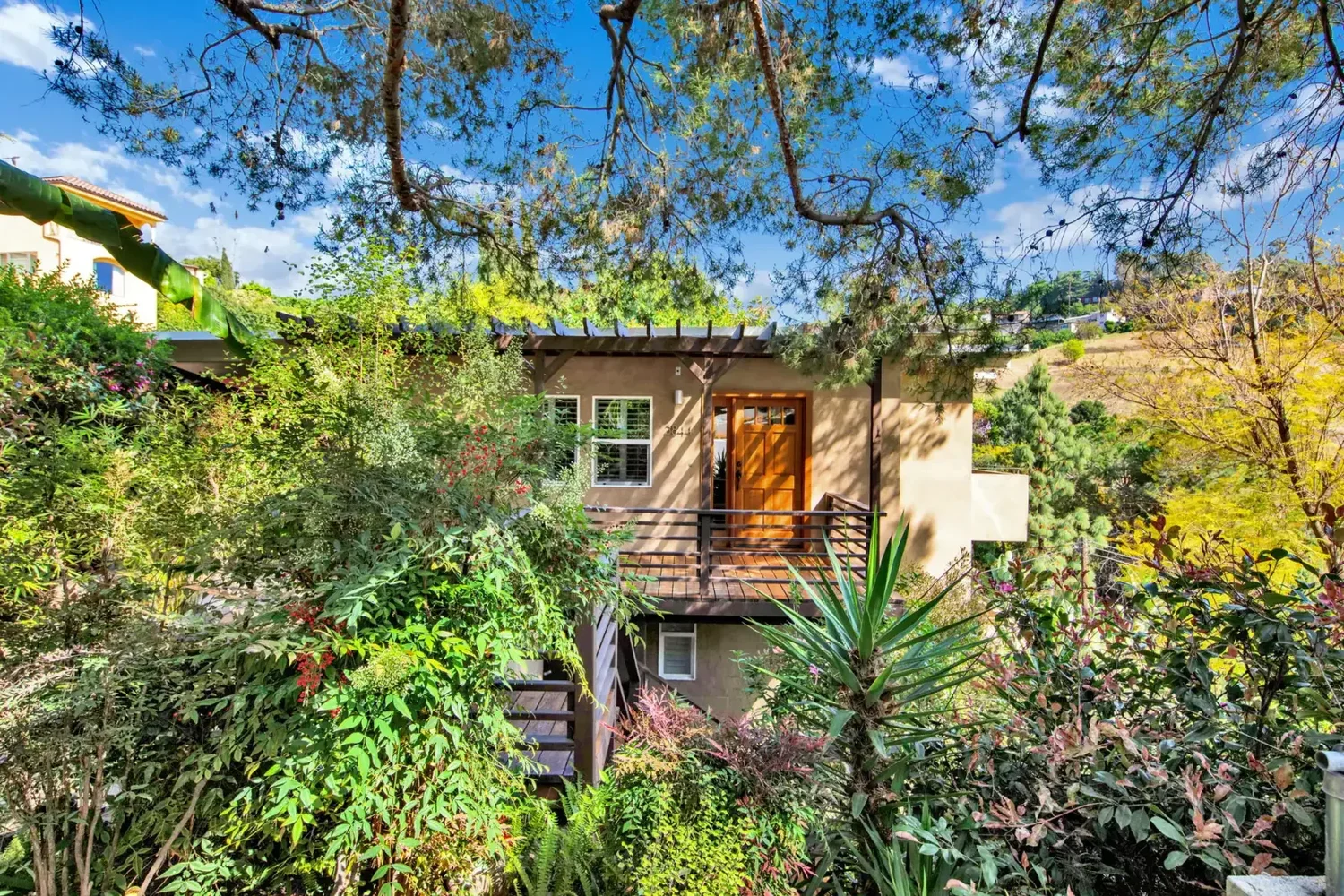
LAHD says the RSO generally applies to specified City of Los Angeles rental properties first built on or before October 1, 1978, along with certain replacement units. Age is a starting clue, not a complete property determination.
Review the current LAHD RSO overviewThree broad market paths
These are real estate planning categories, not legal conclusions. The available route depends on the property, tenancy, current rules, and qualified professional advice.
Package accurate leases, income, expenses, deposits, registrations, notices, access expectations, and condition information for buyers who can evaluate an occupied asset.
Any tenant buyout or voluntary transition should be informed, documented, and reviewed for current disclosure and filing requirements. Avoid pressure, informal promises, or assumptions.
Do not market vacant delivery as certain until the facts, governing rules, notices, agreement, timing, and legal guidance support that representation.
The buyer diligence file
The goal is not to make the property look simpler than it is. The goal is to make the facts organized, consistent, and ready for the right buyer and advisers to review.
Vesting, parcel, units, permits, construction history, insurance contacts, and known property notices.
Leases, amendments, rent ledger, deposits, concessions, utilities, and recurring property expenses.
Registrations, certificates, exemptions, Rent Registry information, Property Activity Reports, and case records.
Notices, correspondence, repair requests, access history, showing plan, and a clear occupant communication lane.
Value follows the buyer lens
A pricing recommendation should account for current income, expenses, condition, units, location, occupancy, records, and the realistic buyer pool. A headline neighborhood price does not explain an occupied rental asset.
Showing access is part of the strategy
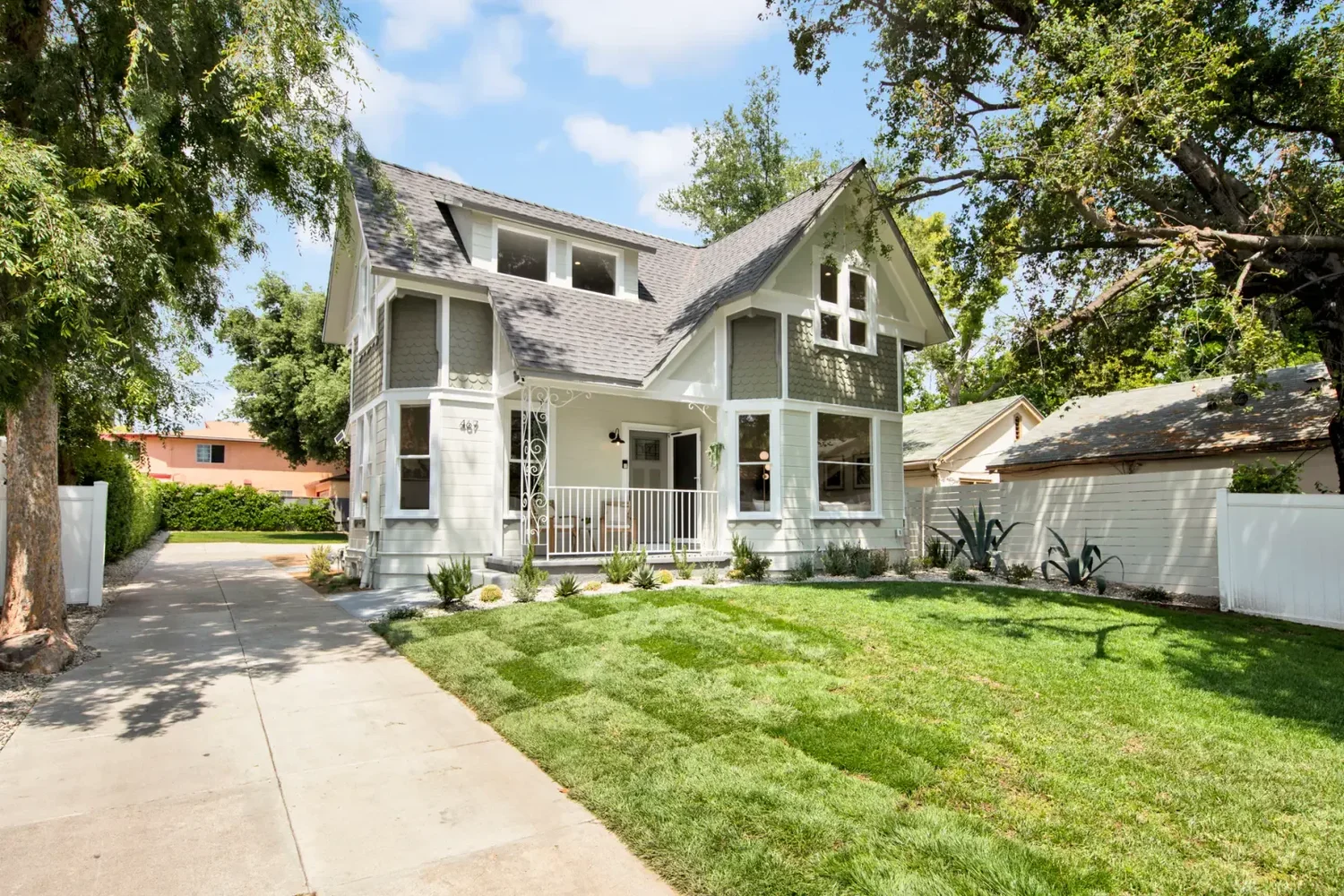
California Civil Code section 1954 addresses entry to exhibit a dwelling unit to prospective or actual purchasers, along with notice, timing, purpose, and other conditions. It also states that the right of access may not be abused or used to harass a tenant.
Build showing windows, communications, inspection logistics, privacy, photography, and buyer expectations around the current rule and the actual tenancy. When access is disputed or unusual, involve a qualified California attorney before launch.
Read California Civil Code section 1954A property-specific process
Existing Los Angeles authority
These established guides keep their existing search intent. This sale-planning page connects the owner to the narrowest useful answer.
Current source desk
Official pages can change. These sources support this planning framework without replacing legal advice for a specific property.
Frequently asked questions
Yes. Possible RSO coverage does not prevent a sale. It can change the property records, occupancy questions, buyer diligence, showing plan, timing, and delivery strategy that should be addressed before marketing.
Start with the exact jurisdiction, address, units, property type, construction and replacement history, registrations, exemptions, and current LAHD records. Building age alone is not a complete property determination.
No. A sale does not by itself erase a lease or settle possession. The agreement, occupancy, property facts, governing rules, notices, and professional advice should shape what the seller and buyer can reasonably expect.
Do not promise vacant delivery until the facts, lawful path, current requirements, agreement or notices, timing, and legal guidance support that representation. An unresolved possession question should be disclosed and planned around, not converted into a marketing promise.
Organize ownership and unit records, construction history, leases and amendments, rent ledgers, deposits, expenses, registrations, certificates, exemptions, LAHD records, notices, repair history, correspondence, and an accurate account of who occupies each unit.

Justin Borges is the founder of The Borges Real Estate Team at eXp Realty and advises Los Angeles property owners on complex sale planning, including tenant-occupied and possible RSO properties.
California DRE #01940318. Last reviewed August 13, 2026.
This page provides real estate planning information, not legal or tax advice. Confirm coverage, notices, possession, registration, and tenant-law questions with LAHD and qualified California counsel.

© Justin Borges
All Rights Reserved
