What Does "Trust Sale" Mean in Real Estate?
In Los Angeles and across California, a trust sale means real estate titled in a trust is being sold by the acting trustee on the trust's behalf. The trustee, not the beneficiaries as a group, usually signs the listing agreement, purchase contract, escrow instructions, and deed, provided the trust document and California law give that trustee authority. A trust sale is not automatically a probate sale, foreclosure, court-confirmation sale, or distressed property.
You will often see “trust sale” in a Southern California listing description, especially where a longtime owner placed a Los Angeles home into a living trust. The label describes the seller's legal capacity. It does not tell you the home's condition, the reason for selling, whether the owner died, or whether the price is negotiable.
That distinction matters. Buyers sometimes assume “trust sale” means bargain, probate auction, or as-is fixer. Trustees sometimes assume placing a property in a trust guarantees a simple closing. Neither assumption is safe. In Los Angeles County, the deed that eventually transfers the home must satisfy the Registrar-Recorder/County Clerk's recording requirements, including an Assessor's Parcel Number and a Preliminary Change of Ownership Report. The practical question is whether the person signing has documented authority, whether title can be conveyed, and whether the transaction team has assembled the right disclosure and escrow package.
Talk through a Los Angeles trust sale
If you are buying or selling a property held in trust, Justin Borges can help you identify the real estate steps and the questions to route to your attorney or CPA.
Call (213) 262-5092What does a trust sale mean in practical terms?
A trust is a legal arrangement in which a trustee holds and manages property for the people or purposes identified in the trust. When the deed shows that the property belongs to a trust, the trustee acts as the seller. If the original trust creators are alive and serving as trustees, they may sell much as they would have before transferring title into the trust. If a successor trustee has taken over after death or incapacity, escrow and title will need evidence that the succession occurred and that the successor may act.
California Probate Code section 16226 gives a trustee statutory power to acquire or dispose of property, but that power remains subject to the trust instrument and the trustee's duties (California Legislature, 2026). A clause in the trust can limit authority, require multiple trustees to act together, or create conditions that must be satisfied first. This is why a title company reviews the actual authority rather than accepting the words “successor trustee” at face value.
The beneficiaries usually have an economic interest in the trust, but they do not automatically replace the trustee as contract signers. Some trusts require beneficiary consent, and disputes can produce court involvement. In a routine transaction, however, the trustee signs in a representative capacity, such as “Jordan Smith, Trustee of the Smith Family Trust dated...” The exact vesting and signature format comes from title and escrow, not from a generic online template.
See the active Los Angeles market
Compare current listings with the home you are evaluating, including ordinary owner sales, estate sales, and trust-held properties.
Search Los Angeles homesIs a trust sale the same as probate or a trustee's sale?
No. These terms sound similar but describe different legal paths. A family trust sale usually involves a private trust that owns the home. A probate sale involves property administered in a decedent's court-supervised estate. A “trustee's sale” commonly refers to a nonjudicial foreclosure conducted under a deed of trust. Mixing them up can lead a buyer to misunderstand the contract, deposit, bidding process, or expected timeline.
| Sale label | Who usually signs or conducts it | Court role | What the label tells a buyer |
|---|---|---|---|
| Trust sale | Current trustee of the property-owning trust | Often no routine confirmation, unless the trust or a dispute requires court action | The seller is acting as trustee |
| Probate sale | Executor or administrator of an estate | Probate rules apply; court confirmation depends on the representative's authority and case | The property is being administered through an estate |
| Trustee's sale | Foreclosure trustee under a deed of trust | Often a statutory nonjudicial foreclosure process | The property is being sold after a secured-loan default |
| Ordinary owner sale | Individual, spouses, or entity shown in title | Usually none | No special fiduciary capacity is stated |
A property can also move between paths. For example, a Boyle Heights or Pasadena home intended for a trust may never have been deeded into it. The estate may then need a probate procedure or court order before a sale can close. Conversely, a properly funded living trust can allow a successor trustee to manage and sell the property outside routine probate administration. Los Angeles County property records are indexed by grantor, grantee, and recording year, so title research cannot safely rely on a street-address search alone. Only a review of the deed, trust, amendments, death certificates, and related estate documents can establish the correct path before Day 1 of escrow.
Compare trust-sale competition in Pasadena
Pasadena's older housing stock often brings condition, permit, insurance, and disclosure questions into the same transaction.
Search Pasadena homesWho has authority to sell a home held in trust?
The acting trustee has authority if the trust instrument, later amendments, and applicable law support the action. If there are cotrustees, the documents may require all of them to sign or may permit one to act. If the prior trustee died or became incapacitated, title and escrow will ask for evidence showing why the successor is now serving.
California Probate Code section 18100.5 allows a trustee to present a certification of trust instead of handing every third party the full trust. That certification can identify the trust and current trustees, describe their powers, state whether all cotrustees must sign, and provide real-property information (California Legislature, 2026). A title company may still request relevant excerpts or succession documents when needed for the pending transaction.
Authority is only part of the job. A trustee is a fiduciary. California law requires loyalty to the beneficiaries and, when there are multiple beneficiaries, impartial treatment of their competing interests under Probate Code section 16002 and section 16003 (California Legislature, 2026). The trustee should be able to explain the market evidence behind pricing, preparation, and offer selection. An attractive offer is not always the strongest one if its financing, contingencies, closing risk, or net proceeds are worse.
Trustees also have a duty to keep beneficiaries reasonably informed about trust administration under Probate Code section 16060 (California Legislature, 2026). That does not mean every beneficiary becomes a transaction manager. It does mean the trustee should coordinate with trust counsel on notices, records, and reporting instead of allowing informal family conversations to substitute for administration. The concrete documentation threshold is a file that establishes the current trustee, the power to sell, and any cotrustee signature rule before the Los Angeles listing agreement is signed.
Need a practical authority checklist?
Justin can help organize the title, listing, disclosure, and escrow questions while your trust attorney confirms legal authority.
Call (213) 262-5092What should a buyer expect from a trust sale?
For a buyer, a well-prepared trust sale can look much like any other purchase. You submit an offer, negotiate price and terms, investigate the property, complete financing, and close through escrow. The added work happens mostly behind the scenes, where the seller's authority and the trust's ownership must satisfy the title insurer.
Read the listing and purchase documents carefully. Confirm whether the sale is truly a private trust sale or a probate transaction. Ask whether the seller anticipates court confirmation, whether multiple trustees must sign, and whether authority documents have already been delivered to title. Your agent should ask these questions early without demanding private dispositive terms that are irrelevant to the transfer.
Do not waive property investigation simply because a trustee has limited knowledge. A successor trustee may never have lived in the house. In Los Angeles, that makes inspections especially important for older electrical systems, sewer lines, hillside drainage, foundation movement, additions, accessory dwelling units, wildfire exposure, and insurability. The trustee's limited firsthand knowledge does not tell you whether the house is sound.
Also avoid treating a trust sale as automatic leverage. A trustee may prioritize certainty and clean execution, but the fiduciary role can make documented market value and net proceeds especially important. In hillside parts of Northeast Los Angeles, an offer that budgets for drainage, foundation, and insurance investigation may be more credible than a generic discount demand. A low offer justified only by the trust-sale label may be less persuasive than a well-supported offer with strong financing, realistic contingencies, and a dependable closing plan documented before contingency removal. The buyer's decision threshold is contingency removal, not the appearance of the words “trust sale” in the listing.
Explore Northeast Los Angeles homes
Review current Highland Park inventory where older construction, hillside lots, and additions can make buyer investigation especially valuable.
Search Highland Park homesWhat should a trustee prepare before listing?
Start with authority and title, not paint colors. Contact trust counsel and a title officer before making promises to beneficiaries or spending heavily on the property. Early review can reveal a missing deed, an amendment, a deceased cotrustee, a loan, an ownership mismatch, or a signature requirement that needs time to resolve.
| Item | Why it matters | Who should review it |
|---|---|---|
| Current deed and preliminary title report | Confirms how the property is vested and identifies recorded liens or defects | Title officer and trust attorney |
| Trust and amendments | Establishes trustee succession, powers, and signature requirements | Trust attorney and title officer |
| Certification of trust | Summarizes authority for third parties without automatically exposing all distribution terms | Trust attorney, title, and escrow |
| Death certificate or incapacity evidence | Supports the transition from an original trustee to a successor when applicable | Trust attorney and title officer |
| Property records and known defects | Supports accurate marketing, investigation, and disclosure | Trustee, agent, inspectors, and counsel as needed |
| Date-of-death valuation and tax records | Helps the tax adviser analyze basis and administration reporting | CPA, appraiser, or tax attorney |
The trustee should also create a written property plan. Identify who has keys, who occupies the home, what personal property remains, which bills are current, and who can approve expenses. For a Los Angeles property, separately identify tenants, any accessory dwelling unit, permits, hillside or wildfire-zone issues, and insurance availability because each can change pricing and escrow risk. If relatives want different outcomes, document the decision process before the property reaches the market. The real estate agent can supply market analysis and net sheets, but the attorney advises on fiduciary choices and beneficiary rights. Complete this authority and property file before Day 1 on market.
See comparable homes in Glendale
Current Glendale listings can help a trustee separate property-specific value from family expectations.
Search Glendale homesDoes a trust sale have fewer disclosures?
Sometimes a particular statutory form is exempt, but “fewer disclosures” is too broad. California Civil Code section 1102.2(d) excludes certain fiduciary transfers made during trust administration from the article that contains the Transfer Disclosure Statement requirement. The same section narrows that exclusion when a natural-person trustee of a revocable trust was a former owner or occupied the property within the preceding year (California Legislature, 2026).
The TDS question is not the end of the disclosure analysis. California's natural-hazard rules are addressed separately in Civil Code section 1103 and related sections. Federal lead-based-paint disclosure rules may apply to pre-1978 housing. Local requirements, contractual disclosures, title matters, insurance conditions, and known material facts can also remain relevant. The correct package depends on the property and the seller's status.
A trustee should never interpret a form exemption as permission to stay silent about a known roof leak, unpermitted conversion, boundary dispute, death affecting the property, tenant claim, or other material fact. In Los Angeles, that review should expressly address unpermitted garage conversions, accessory dwelling units, hillside drainage, wildfire exposure, tenant occupancy, and additions whose permit history may not match the physical house. The safest operational approach is to let the agent identify standard transaction forms, then have trust counsel resolve close exemption questions. Buyers should complete their own inspections and document review before contingency removal. The legal checkpoint remains California Civil Code sections 1102.2 and 1103, not a blanket “trust sale” exemption.
Prepare the property before it reaches the market
Get a real estate review of condition, buyer expectations, and likely inspection issues before choosing a preparation budget.
Call (213) 262-5092Text JustinHow are offers evaluated and the sale closed?
The trustee evaluates offers under the trust's terms and fiduciary duties. Price matters, but a careful review also considers financing strength, appraisal exposure, inspection requests, closing date, occupancy, credits, included property, and the buyer's ability to perform. A side-by-side net sheet and risk summary create a record that is more useful than a verbal recommendation.
Beneficiary approval is not universally required. The trust may give the trustee discretion, require consent, or direct a particular result. If beneficiaries disagree, the trustee should follow legal advice rather than transferring the decision to the listing agent. The agent's role is to expose market tradeoffs and execute lawful instructions.
Once an offer is accepted, title confirms the trust's ownership and the trustee's signing power. Escrow coordinates payoff demands, documents, signatures, and proceeds. The deed is signed in the trustee's representative capacity. Tax reporting and distribution of net proceeds are handled according to the trust administration plan and professional advice.
Inherited property may receive a basis adjustment under federal tax law, but the result depends on the ownership and estate facts. IRS Publication 559 discusses basis and reporting issues for survivors, executors, and administrators (IRS, 2026). In the City of Los Angeles, documentary transfer tax can differ from the county-only calculation, so escrow should calculate the recording charges for the property's actual jurisdiction rather than use a generic California estimate. A real estate agent can provide sale figures and closing statements. A CPA or tax attorney should calculate basis, gain, deductions, and trust reporting. The named tax anchor is IRS Publication 559; the local recording anchor is the Los Angeles County Registrar-Recorder/County Clerk.
Build a documented sale plan
Discuss pricing evidence, preparation choices, offer comparisons, and the transaction timeline for a Greater Los Angeles trust-held home.
Call (213) 262-5092Visit LA Metro Home FinderRelated trust-sale guides
Continue with whether a trustee can sell without beneficiary approval, handling a Los Angeles trust sale with multiple beneficiaries, and the forms required for a Los Angeles trust sale. Review all three guides before the listing agreement is signed.
Frequently asked questions
Does a trust sale mean the owner died?
No. Many homeowners place property in a revocable living trust and remain alive, in control, and able to sell. The term can also describe a successor trustee selling after a death or incapacity. Check the deed and transaction documents instead of inferring the seller's circumstances from the label.
Does a trust sale need court approval in California?
Not automatically. A trustee with valid authority can often sell through ordinary escrow without routine probate-court confirmation. Court involvement may arise if the trust requires it, authority is disputed, title is defective, beneficiaries litigate, or the property was never properly transferred into the trust. Trust counsel should confirm the path.
Do all beneficiaries have to sign the purchase agreement?
Usually the trustee signs for the trust, but the trust instrument may impose consent or cotrustee requirements. Beneficiaries do not become contract signers merely because they expect a distribution. Title, escrow, and the trust attorney should confirm the authorized signatures before the property is listed.
Is a trust-sale property always sold as is?
No. “Trust sale” and “as is” describe different things. A trustee may prefer an as-is contract, may complete repairs, or may negotiate credits after inspections. Even an as-is clause does not eliminate a buyer's investigation rights or excuse legally required disclosures.
Can a buyer finance a trust-sale property?
Yes. Conventional, FHA, VA, and other financing may be possible if the buyer and property meet the program's requirements. The trust ownership itself is not a ban on financing. Condition, appraisal, insurance, title, and the trustee's ability to meet the closing timeline may affect the loan.
Can a trustee sell below market value to a family member?
That decision can create fiduciary, tax, and beneficiary issues. A trustee considering a related-party or below-market sale should obtain legal and tax advice and document valuation and authority before accepting an offer. The real estate agent can provide market evidence but should not approve the fiduciary decision.
How long does a trust sale take?
There is no universal trust-sale timeline. A clean file with confirmed authority can close on a conventional escrow schedule. Missing deeds, trustee succession issues, beneficiary disputes, tax questions, property cleanout, tenants, or title defects can add time. Resolve authority before marketing whenever possible.
What is the biggest buyer risk in a trust sale?
The label itself is not the risk. The main concerns are unclear seller authority, incomplete investigation, misunderstood disclosure limits, title problems, and assumptions about condition or price. A coordinated agent, lender, title officer, inspector, and appropriate attorney can address those issues directly.
Get clear on the next real estate step
Whether you are the trustee or a buyer considering a trust-held home, start with authority, condition, and a documented plan.
Review trust and probate servicesCall (213) 262-5092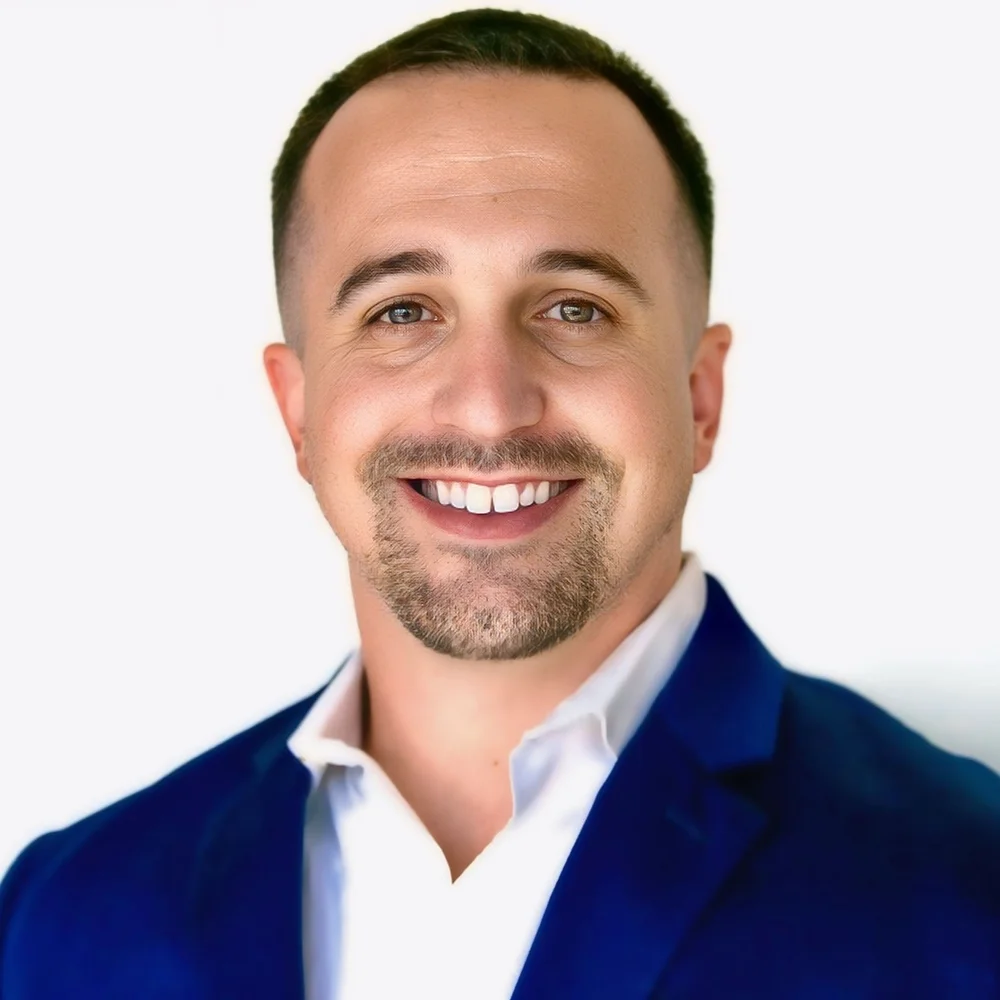
About Justin Borges
Justin Borges works with Los Angeles property owners on trust, probate, and inherited-property sale questions. He has held an active California DRE salesperson license since October 2013, with no disciplinary action on record, CA DRE #01940318. View Justin's author profile.