



What Is It Like to Live
Near Old Town Monrovia?
A first-person account from May Ascencio, Old Town Monrovia resident, MUSD parent, and your dedicated Monrovia real estate specialist.
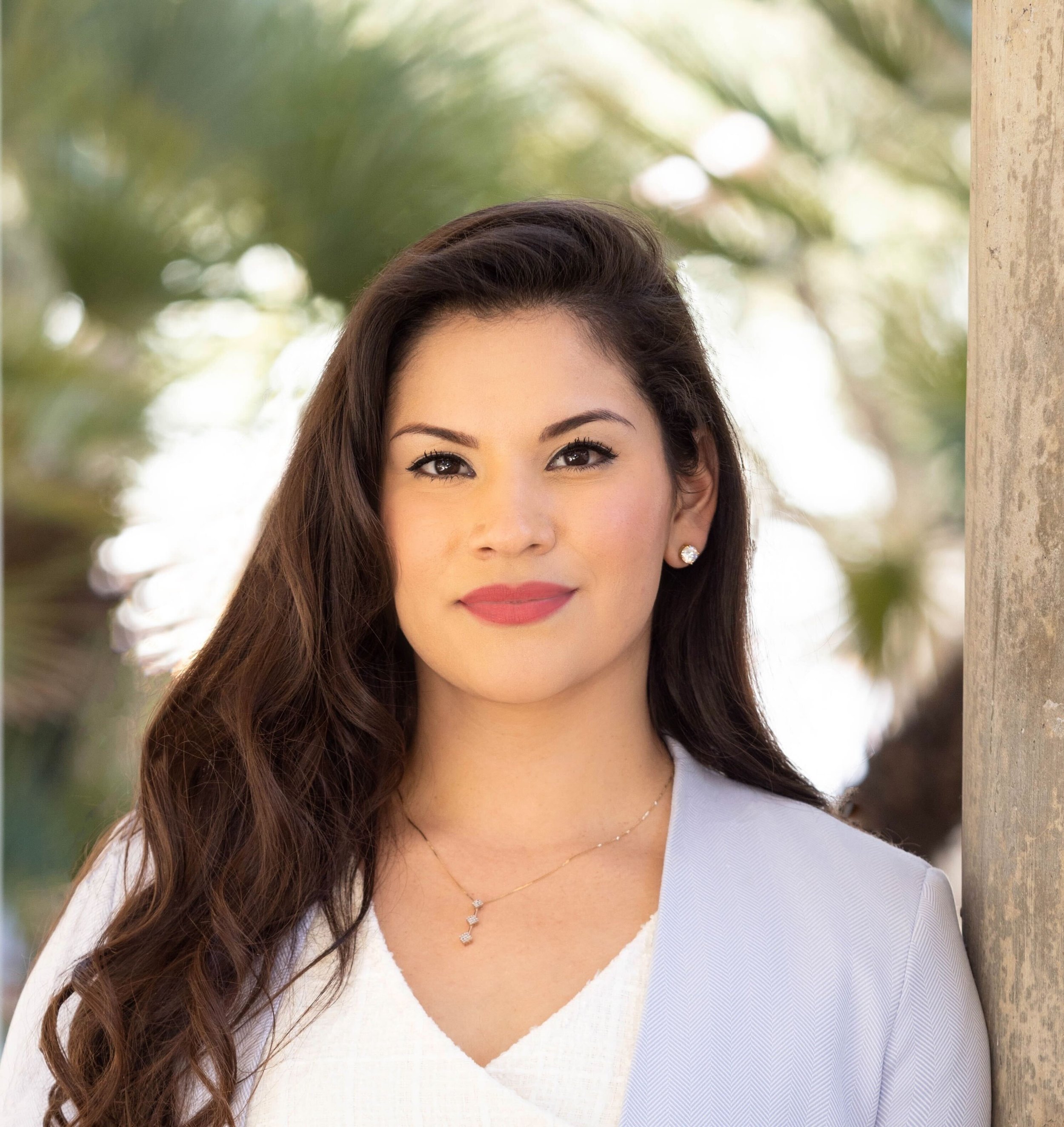
Living near Old Town Monrovia means walking to everything: coffee on Myrtle Avenue, the Friday Night Fair with your kids, the Metro L Line to downtown LA, and Café de Olla on a Saturday morning. Walk Score runs around 78, compared to a city average of 62. The honest trade-offs are weekend foot traffic near Myrtle, tighter lot sizes than the foothill pockets, and parking competition during events. For buyers who want a real community, not just a quiet street, Old Town is the neighborhood that actually delivers it.
What Old Town Monrovia Actually Feels Like
I used to be the buyer who assumed Monrovia was quiet, slow, and not much was happening. That assumption did not survive my first Friday Night Fair. Officially it's called the Friday Night Family Festival, but every Old Town resident just calls it the Fair. It runs weekly on Myrtle Avenue: food vendors, street performers, local businesses staying open late, kids running ahead, neighbors stopping mid-block to talk. I take my son almost every week, and I've done it for five years. It does not get old.
The broader point is that Old Town has a pulse most LA neighborhoods don't have anymore. There's an immense amount of love here, and a loyalty between neighbors and small businesses that you can actually feel. Some businesses have had hard years, and you watch the town quietly rally around them. There are active community Facebook groups for everything happening, and yes, there is a beloved Monrovian tradition: any time you hear a loud boom, it is civic duty to post about it on the Monrovia Facebook page before anyone else does. You can't list that under "amenities," but it is very much part of living here.
"There's an immense amount of love here, and a loyalty between neighbors and small businesses that you can actually feel."
Beyond the Fair, Old Town delivers the kind of walkable downtown energy that the San Gabriel Valley rarely produces. Myrtle Avenue is the spine: a 10-block stretch of independently owned coffee shops, restaurants, boutiques, and service businesses. Café de Olla sits a few blocks in. The Monrovia Public Library is there. Library Park runs along the edge of the district with mature trees and a weekend farmers market energy. During Monrovia Days each year, they somehow fit a full-size Ferris wheel onto the library front lawn. Yes, really.
This is not a neighborhood that requires you to seek out community. The community is already there, happening, and genuinely welcoming. That's a rarer thing in Los Angeles County than people realize until they've lived it.
Walkability: The Honest Take
Old Town's Walk Score sits around 78. The city average is 62. That 16-point gap is meaningful: it translates into daily errands, weekend restaurants, and a Metro station you can actually walk to. The Metro L Line station at Monrovia is within the Old Town walkshed. From there it's about 42 minutes to Union Station, with trains running every 15 minutes during peak hours. The station opened in 2016, and it changed the calculus for buyers who want a San Gabriel Valley address without a car-only lifestyle.
The 10-block Myrtle Avenue core handles most of what Old Town residents need day-to-day: grocery options a short walk or drive away, multiple coffee shops, lunch and dinner restaurants, a library, a park, and retail. Walking to the Fair on Friday nights isn't a special occasion for Old Town residents. It's just what happens on Fridays.
One thing I clarify with buyers: walkability near Old Town isn't uniform across every block. The blocks closest to Myrtle, particularly along Lime Avenue, Olive Avenue, and Ivy Avenue, score the highest. Move a few blocks south toward Foothill Boulevard and the score holds. Move significantly east or push up into the hillside streets, and car dependency returns quickly. If walkability is a genuine priority in your search, I'd target within a half-mile of Myrtle's core.
For commuters heading downtown or to Pasadena, the combination of the L Line and the 210 freeway makes Old Town more accessible than people expect. I commute to Pasadena practically every day. My family is still over there. The distance people assume when they hear "Monrovia" doesn't match the reality of the drive.
Home Worth Right Now?
Character homes near Myrtle Avenue carry a premium over the city median. Get May's current valuation before you decide anything.
🏡 Get Your Home Value →The Trade-Offs (I'll Give You the Real Ones)
Old Town living is walkable, social, and close to everything. There's more foot traffic, but that's also part of the charm. That's not a polished sales line. That's what I say to buyers when we're standing on the sidewalk during a showing and a crowd is filtering past for the Fair. The energy is real, and most buyers who move here for it love it. But some people want a quiet street on a Friday evening, and if that's the priority, Old Town isn't the right fit.
Parking near Myrtle on weekends requires a plan, not just luck. The on-street spots fill up during the Fair, during Monrovia Days, and whenever a popular restaurant has a wait. Most Old Town homes have driveways or garages, so it's mainly a guest-arrival challenge rather than a daily friction point. But it's worth knowing before you fall in love with a front porch.
- Walk Score ~78, best in the city
- Metro L Line within walking distance
- Weekly Friday Night Fair steps from home
- Café de Olla, Library Park, community energy
- Character homes: Craftsman, Spanish Revival, Tudor
- Strong neighbor loyalty and small business culture
- MUSD A-rated schools citywide
- Weekend foot traffic on and near Myrtle
- Parking competition during events
- Smaller lot sizes vs. foothill pockets
- Property crime slightly above national avg (typical LA walkable district)
- Character homes often need period-appropriate maintenance
- No acreage or true hillside views in this pocket
On property crime: Old Town's numbers sit slightly above the national average, consistent with any walkable downtown area in Los Angeles County. The primary category is vehicle and package theft rather than violent crime. Monrovia's overall violent crime rate runs 22% below the national average, which gives the broader picture. The Old Town foot traffic actually contributes to natural surveillance on the street. That said, I always tell buyers: lock your car, bring packages inside, and you'll have the same experience everyone else on the block has.
Curb appeal, every time. The streets are clean, the landscaping is loved, and people here take genuine pride in their front yards. There's even a Garden Club, and the Garden Club-recognized streets show it. Buyers usually pick up on it before they say a word during a first showing. It sets the tone for everything else.
That level of neighbor investment doesn't happen by accident. It reflects what the community prioritizes, and it holds values stable in ways that don't show up on a Zillow estimate.
Who Old Town Fits, and Who It Doesn't
My clients in Old Town range widely: 20-somethings buying their first place, families on their second or third home, downsizers who want to lock the door and walk to dinner, and longtime Monrovia residents whose grown kids are now buying nearby. What ties them together is a specific wishlist. They want a charming property. They want a neighborhood with actual personality. They want to be able to walk somewhere on a Friday evening without it feeling forced.
My job isn't to talk anyone into a town. It's to listen carefully and make sure the place matches the life they're trying to build, even if that means pointing them somewhere else. So I'm going to be direct: Old Town is not the right fit if you need acreage, want a quiet hillside setting, prefer a longer commute in the other direction, or prioritize a bigger urban downtown core. There's nothing wrong with any of those priorities. Monrovia has pockets that work for different versions of that list, and I'll tell you about those too.
Pricing Realities in Old Town Monrovia
Monrovia's city-wide median sale price runs around $993,000. Old Town homes, particularly character homes close to Myrtle, typically price at or slightly above that median. The premium comes from the walkability, the architectural character, and the curb appeal investment that Garden Club streets tend to reflect. A Craftsman bungalow with restored original details on Ivy Avenue or Lime Avenue will not look like a generic ranch on a quiet cul-de-sac, and it won't price like one either.
Condos and townhomes within walking distance of Old Town represent a different entry point. These are increasingly popular with first-time buyers and downsizers who want the Myrtle Avenue lifestyle without a single-family maintenance footprint. Prices in this segment are more accessible, and with the Metro a short walk away, the commute math holds up. If you're coming from Pasadena and keep getting outbid, this is a genuine alternative worth running numbers on.
The broader Monrovia value story matters here too. Dollar for dollar you get noticeably more home than in Pasadena. Arcadia runs hot in its school-district pockets. Monrovia gives you a comparable school system, real neighborhood character, and a tighter community for a price that doesn't require the same bidding-war calculus. Days on market average around 50 right now, which is longer than last year's pace. That's actually useful information for buyers: the market has more breathing room than it did, and a well-prepared buyer is in a better position than they were 18 months ago.
What I Take Buyers to See
After a showing in Old Town, the route is almost always the same. First, a slow walk up Myrtle Avenue. It's a cliché answer, but Myrtle Avenue, hands down. I love the businesses, I love the family memories I've collected there, and I love supporting the community I live in. Buyers who've never seen it in person consistently underestimate what it delivers. It's not just a pleasant main street. It has the specific energy of a neighborhood that decided to take care of its own businesses, and it shows.
From Myrtle, I take buyers past Library Park, especially on a weekday when it's quieter and people are sitting with coffee or walking dogs. Then, if the timing is right, we drive up Norumbega Road to the Monrovia Hillside Preserve. There's a sunset bench up there with a view that stops conversations. I have a very personal memory tied to that spot, and once you're up there with that view, everything else just falls away for a while. It's not technically in Old Town, but it's the closest I can get to showing buyers what living here actually feels like rather than telling them.
"Café de Olla, every time. The food sells itself, but the pancakes do most of the closing for me."
The last stop is Café de Olla. Every time. It's a short walk from where most Old Town showings end. The food sells itself, but the pancakes do most of the closing for me. There's something about sitting at a small table on Myrtle Avenue on a Saturday morning, with neighbors coming through the door, that makes the "should we move to Monrovia" conversation resolve itself. Most buyers decide at Café de Olla. I'm just there to take notes and answer questions.
For buyers who visit during Monrovia Days, I make sure they see Library Park with the Ferris wheel up. A full-size Ferris wheel on the lawn of a public library is not something you forget. And it tells you more about what Monrovia prioritizes than any neighborhood description I could write.
Best Streets Near Old Town Monrovia
The streets I consistently hear buyers mention after a first drive-through are the ones running parallel to Myrtle on both sides: the named streets in Old Town's residential core. Most fall within a few blocks of Myrtle Avenue, which keeps the walkability high while moving you off the commercial-district foot traffic. These are the blocks where Garden Club recognition shows up most often, and where the Craftsman and Spanish Revival stock is most concentrated.
Worth noting: the "Old Town" designation is informal, and there's no strict boundary. What most buyers mean when they say they want to be near Old Town is: within easy walking distance of Myrtle, with residential street character rather than commercial. That zone is roughly bounded by Myrtle to the east, Huntington Drive to the south, Mountain Avenue to the west, and Foothill Boulevard to the north. Within that pocket, almost any block delivers the core experience.
If you want a quieter version of the Old Town lifestyle without being steps from the Fair, the blocks along Magnolia and the streets just east of Mountain Avenue offer that balance. You're still a 10-minute walk from everything. You're just less likely to hear live music from your porch on a Friday night.
One of the more meaningful projects I've been watching in Old Town: the Blair House and Rose Art House, originally purchased by Monrovia's former city historian Steve Baker, is being thoughtfully restored. The character of the home is being preserved rather than erased. It's exactly the kind of project that reflects who Monrovia is. These two buildings, once complete, will operate as a Bed & Breakfast on Ivy Street and represent the kind of investment in historical character that keeps Old Town distinct from every other walkable downtown in the San Gabriel Valley.
Old Town vs. The Foothills: Side-by-Side
The two most common neighborhoods buyers consider together are Old Town and the Foothill pockets to the north. They feel completely different. Here's the direct comparison, and see the Monrovia Hills guide for a deeper look at the Foothills.
| Factor | Old Town Monrovia | Monrovia Foothills |
|---|---|---|
| Walk Score | ~78 (best in city) | ~45 (car-dependent) |
| Lot size | Smaller (typical SF lots) | Larger (some half-acre+) |
| Typical price range | At or slightly above $993K median | $1.2M+ for foothill character homes |
| Housing types | Craftsman, Spanish Revival, Tudor, condos | Spanish Revival, custom builds, mid-century |
| Weekend energy | Foot traffic, Fair, community events | Quiet, private, nature-adjacent |
| Wildlife neighbors | Standard urban LA | Bears are basically locals at this point |
| Metro access | L Line walkable from most blocks | Drive to station required |
| School district | Same MUSD A-rated district for all of Monrovia | |
Old Town Monrovia: Buyer Cheat Sheet
| If You Want | Old Town Answer | |
|---|---|---|
| Walk to restaurants / coffee | → | Yes. Myrtle Avenue core within walking distance of most blocks |
| Train commute to downtown LA | → | Metro L Line ~42 min to Union Station, every 15 min |
| Friday night energy | → | The Fair runs weekly on Myrtle. Walk out your door |
| Historic Craftsman character | → | Best concentration in the city: Craftsman, Spanish Revival, Tudor |
| Good schools | → | MUSD A-rated, 96% graduation rate, citywide coverage |
| Quiet Friday evenings | → | Choose streets closer to Mountain Ave or the Foothills instead |
| Acreage or large lot | → | Foothills or Mayflower Village are better fits |
| Best value entry point | → | Southeast Monrovia near Metro or condo/townhome near Old Town |
| Breakfast that seals deals | → | Café de Olla on Myrtle. The pancakes do most of the closing |
Questions About Living Near Old Town Monrovia
What is it actually like to live near Old Town Monrovia?
Old Town Monrovia is walkable, social, and community-centered. Myrtle Avenue is the spine: coffee shops, restaurants, boutiques, and the weekly Friday Night Fair are all within walking distance of most Old Town homes. Walk Score runs around 78, well above the city average of 62. Trade-offs include weekend foot traffic and tighter lot sizes compared to the foothill pockets, but most residents consider those part of the charm rather than drawbacks.
What are the best streets to live on near Old Town Monrovia?
Olive Avenue, Lime Avenue, Ivy Avenue, and the blocks along California Avenue within a few blocks of Myrtle are consistently desirable. Homes on these streets are within easy walking distance of Old Town's core while still sitting on residential blocks with mature trees and Craftsman or Spanish Revival character. Garden Club-recognized streets tend to have the strongest curb appeal and neighbor investment.
How walkable is Old Town Monrovia compared to the rest of the city?
Old Town Monrovia scores approximately 78 on Walk Score, compared to a city average of around 62. The Metro L Line station is within walking distance, offering service to Union Station in about 42 minutes on a 15-minute frequency schedule. Most daily errands, dining, and weekend activities can be done without a car if you live within the Myrtle Avenue core.
What are the honest trade-offs of living near Old Town Monrovia?
Weekend foot traffic increases noticeably during the Friday Night Fair and events like Monrovia Days. Parking near Myrtle is more competitive than in quieter parts of the city. Lot sizes near Old Town tend to be smaller than the foothill and Mayflower Village pockets. Property crime runs slightly above the national average, typical of a walkable downtown area in Los Angeles County, primarily vehicle and package theft rather than violent crime.
What kind of homes are near Old Town Monrovia?
The Old Town area has one of Monrovia's most diverse housing stocks: Craftsman bungalows from the early 1900s, Spanish Revival cottages, Tudor-style homes, some mid-century ranches, and a growing number of condominiums and townhomes within walking distance of Myrtle Avenue. Character homes on Garden Club-recognized streets carry a premium over the city's median of approximately $993,000.
Let's Walk Myrtle Avenue Together
I've lived in Old Town Monrovia since 2020. I know which streets, which blocks, and which homes actually deliver what they promise. Most of my buyers are in escrow within a month of working with me.
- I live here, walk the Fair every week, and know every block
- 10+ years in real estate, operations background means your deal stays on track
- Full Monrovia buyer guide included at no cost, before you tour a single home