



How to Buy a Historic
or Craftsman Home
in Monrovia CA
Character homes are where my heart is. May Ascencio, Old Town Monrovia resident and Realtor, walks you through the styles, the streets, the tax break, and what to inspect before you fall in love.
Architectural Styles Found in Monrovia
Monrovia grew up fast in the early twentieth century, and the building record shows it. The city platted dozens of residential blocks between 1900 and 1940, which means a concentrated run of Craftsman bungalows, Spanish Revival cottages, and Tudor Revival homes that is rare in the San Gabriel Valley today. Most of that inventory has survived, which is part of why I keep coming back to this town.
The four styles buyers ask about most often are spread across different eras and pockets. Craftsman and Spanish Revival are the densest, concentrated north of Foothill Boulevard and west of Myrtle Avenue. Tudor Revival shows up in pockets near Old Town. Mid-Century Modern and ranch homes belong mostly to Mayflower Village, which runs roughly between Myrtle and Magnolia south of Foothill, where the post-war building wave landed.
Historic Districts to Know
Monrovia has designated historic districts that provide formal protection for the city's oldest residential architecture. The Wildrose Historic District is the most well-known, covering blocks in the north-central part of the city with a high concentration of Craftsman and Spanish Revival homes. Properties within designated districts are subject to design review guidelines, which means that any exterior alterations require city approval. That sounds like a restriction, but for buyers who want to protect their investment, it is also a guarantee that the neighbor's next project will not compromise the block's character.
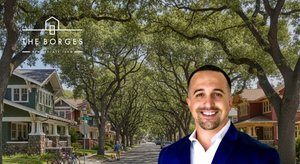
The North Encinitas-Wild Rose area adjacent to the district extends that concentration further. Buyers in this zone are working with some of Monrovia's oldest residential lots, mature street trees, and original sidewalk infrastructure that gives the neighborhood a cohesion you cannot replicate in newer construction. The Garden Club has recognized several streets in this corridor, which is a reliable signal of neighbor investment in curb appeal and maintenance over generations.
A home in a designated historic district is not automatically harder to own. Day-to-day maintenance requires no approval. Landscaping changes, interior renovations, and most repairs are unrestricted. What requires city review: new additions, window replacements, changes to the roofline or siding material, and demolition. For most buyers who want to preserve rather than renovate dramatically, this rarely comes up.
The upside is the Mills Act tax reduction, formal protection from incompatible development next door, and a buyer pool that trends toward preservation-minded owners who take care of the stock over the long term.
Find Out What Your
Character Home Is Worth Today
Pre-war homes often appraise differently than automated estimates suggest. Get a real human assessment from someone who knows Monrovia's historic inventory from the inside.
Get My Home ValueWhat to Inspect That You Don't on a Newer Home
Skipping inspections is the number one regret I see. That is not an exaggeration. Buyers who fall in love with a front porch and a set of original built-ins sometimes try to shortcut the due diligence because they do not want anything to get in the way. What gets in the way instead is a $40,000 electrical panel replacement they did not know about, or galvanized pipes that have dropped water pressure to a trickle in the master bath.
A general home inspection is the floor, not the ceiling. For a pre-war Monrovia home, a specialty inspection for each of the following systems is worth the additional cost. The list below is what I walk every buyer through before we close.
- Old-growth Douglas fir floors (harder than modern lumber)
- Solid plaster walls (better sound and thermal performance than drywall)
- Higher ceilings and natural light in Craftsman rooms
- Lot sizes often larger than post-war production homes
- Distinctive details (built-ins, beamed ceilings, picture rail) that cannot be replicated cheaply
- Knob-and-tube or aluminum wiring (insurance flagging is common)
- Galvanized steel plumbing (rust, reduced flow, eventual failure)
- Original single-pane windows (energy loss, possible lead glazing)
- Unreinforced masonry or cripple wall foundation (seismic)
- Lead paint on pre-1978 surfaces (disclosure required)
- Asbestos in floor tiles, insulation, or popcorn ceilings
In addition to a general inspection, the pre-war homes I see in Monrovia most often benefit from: (1) an electrical specialist if the panel and visible wiring look original, (2) a plumbing specialist if the home has galvanized supply lines, and (3) a foundation specialist if there is any visible cracking or if the home sits on a raised foundation without visible cripple wall bracing. These run $250 to $600 each and have saved buyers from six-figure surprises more than once in my career.
The Mills Act Tax Break
The Mills Act is a California state law that allows cities to enter into preservation contracts with owners of qualified historic properties. Under the agreement, the owner commits to maintaining the property's historic character in exchange for a significant reduction in the assessed value used to calculate property taxes. The reduction typically runs between 40 and 60 percent. On a $1.3M Monrovia Craftsman, that can mean saving $8,000 to $14,000 per year in property taxes.
Monrovia has an active Mills Act program administered through the Community Development Department. Not every historic-looking home qualifies. The property must be individually listed in the California Register of Historical Resources, the National Register of Historic Places, or within a locally designated historic district. Homes in the Wildrose Historic District and other formally designated areas are the most likely candidates. The contract term is typically ten years and automatically renews unless either party cancels, so buyers who intend to hold long-term benefit the most.
One thing buyers do not always realize is that the Mills Act contract transfers with the property at sale. A home that already has an active agreement passes the tax benefit to the new owner, subject to the same preservation requirements. That makes Mills Act homes worth specifically searching out if tax efficiency is part of your purchase calculation. I flag these proactively when I see them come to market in Monrovia.
The Blair House: What Historic Preservation Looks Like Here
There is a home on Ivy Street that I have pointed to in almost every character-home conversation I have had with a buyer in Monrovia. Steve Baker, the former city historian, is restoring the Blair House, also known as the Rose Art House, into a bed and breakfast. It is a meticulous project, the kind that takes years and genuine conviction about what the city has in its residential stock.
The reason I bring it up is not just for the history. It is to show what the culture here looks like. Steve is not alone. The Monrovia Historic Preservation Group is active. The Garden Club is active. Neighbors on the blocks north of Foothill regularly coordinate on curb appeal and call the city when something threatens the streetscape. That culture has a direct effect on the investment case. It means the homes around yours are being taken care of by people who have decided this is worth protecting. That is not something you can price into a Zestimate, but it matters enormously to long-term value.
"There's something about a home with a story that I love helping the right family step into."
Where to Look First in Monrovia
The highest concentration of pre-war character homes in Monrovia sits north of Foothill Boulevard and west of Myrtle Avenue. This corridor includes the Wildrose Historic District and the adjacent North Encinitas-Wild Rose area, and it is where I typically start buyers who are specifically looking for Craftsman or Spanish Revival. The blocks around Olive, Lime, Ivy, and California Avenues have some of the city's best-preserved examples, with mature street trees and Garden Club-recognized curb appeal on multiple blocks.
For Mid-Century buyers, Mayflower Village is the target. It runs roughly from Myrtle to Magnolia, south of Foothill, and contains the post-war ranch inventory that was built as Monrovia expanded in the 1950s and 1960s. These homes tend to sell in the $800K to $1.8M range, a wider spread than the Craftsman pocket because lot size and condition vary more. Buyers who want the single-story floor plan and character without the pre-war inspection concerns often land here. For a deeper look at how the Foothills area compares, the Monrovia Hills buyer guide covers the terrain above Foothill in detail.
Character Home Buyer Cheat Sheet
| If You Want | Here's Where to Focus | |
|---|---|---|
| Pre-war Craftsman bungalow | → | North of Foothill, west of Myrtle; Olive, Lime, Ivy Ave blocks |
| Spanish Revival cottage | → | Same north-Foothill corridor; often on wider lots than Craftsman peers |
| Mills Act tax savings | → | Wildrose Historic District and California/National Register listed properties |
| Mid-Century ranch, single-story | → | Mayflower Village; $800K–$1.8M range; fewer pre-war inspection items |
| Character + walkability | → | Near Old Town Myrtle Ave; Tudor Revival and Craftsman near California Ave |
| Best value vs. Pasadena | → | Monrovia broadly; $1.0M–$1.6M character range vs. $1.5M–$2.5M equivalent in Pasadena |
| Foothill views, more space | → | See the Monrovia Hills buyer guide; note VHFHSZ fire zone requirements above Foothill |
Frequently Asked Questions
Mayra "May" Ascencio
REALTOR® · DRE #02109564 · eXp Realty Lic #1475481 · Old Town Monrovia
May has lived in Old Town Monrovia since 2020, and her specialty in character homes grew directly from living in one. Before becoming a licensed agent, she spent years as a transaction coordinator and operations manager for one of Pasadena's top-producing teams, which means she has seen more transactions from the inside than most agents twice her tenure. That operations background is what she means when she says she helps buyers avoid the regrets. She has seen them up close.
Character homes are where my heart is, and I tend to specialize there. If you are a Pasadena or South Pasadena refugee who cannot make the numbers work, or if you have always wanted a front porch and a set of original built-ins, start this conversation with me. Most of my buyers are in escrow within a month of working with me.
Let's Start Your
Monrovia Search
There's something about a home with a story. If you're looking for a Craftsman, a Spanish Revival, or something with original details that a newer build cannot replicate, let's talk.
- 10+ years in real estate, 5+ as a Monrovia resident
- Character home specialist with active connections to the historic preservation community
- Most buyers in escrow within 30 days of our first conversation