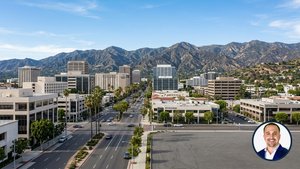





Pasadena Multifamily Sale Guide
How Does Pasadena Rental Registry Affect the Sale of a Duplex or Triplex?
The short answer
Pasadena's Rental Registry does not normally stop you from selling a duplex or triplex in California. It does affect what a careful buyer will verify, how the property should be priced, and which obligations survive closing. Existing tenancy terms and rents transfer to the buyer, the sale itself is not just cause to remove a tenant, and the new owner must update the City's ownership information within 30 days (City of Pasadena, 2026).
The cleanest sale file reconciles every physical unit with the registry, current lease, initial and current rent, increase history, deposit, services, notices, exemptions, fees, and open proceedings. If those records conflict, disclose and resolve the issue instead of assuming that a completed registration proves the rent or unit is lawful.
Audit the rental file before pricing the property
Bring the unit count, leases, rent roll, registry confirmation, and fee receipt into one sale-readiness review.
Does the registry prevent a Pasadena duplex or triplex sale?
No City source reviewed for this guide says an unregistered California property cannot transfer title. The Registry is a housing-law compliance system, not a deed-transfer approval. The important sale question is therefore not simply, “Can escrow close?” It is, “What liabilities, rent limits, tenant rights, and corrective work is the buyer accepting?”
Pasadena's sale guidance says a change of ownership does not change the tenancy. The buyer steps into the seller's position as successor landlord, including the existing rent and lease terms. The City also states that sale, foreclosure, or ownership change is not just cause for eviction. A listing cannot responsibly promise vacant delivery merely because the owner plans to sell.
Registry noncompliance can still change negotiating leverage. Chapter 9 says an owner who has not substantially complied may not impose the Annual General Adjustment on a covered unit. Continued noncompliance can affect an upward-adjustment petition, and a tenant may raise it as an affirmative defense in an action to recover possession. A willful failure can also lead to a rent-withholding proceeding under the regulations.
The practical anchor is the Pasadena Rent Stabilization Department: use the registry status as a diligence starting point, then test every unit-level fact before contingencies expire.
Compare the subject property with current Pasadena multifamily inventory while you review the compliance file.
Which Pasadena duplex and triplex units must be registered?
The City of Pasadena's California registry page lists rented units in multifamily properties with two or more units among the covered examples. It also says that units covered only by just-cause protections, not just units subject to local rent stabilization, generally belong in the Registry. That distinction matters for a newer duplex or triplex: an exemption from the local rent-increase limit does not automatically mean there is no registration or eviction-protection issue (Pasadena Rent Stabilization Department, 2026).
Pasadena's rent-level page identifies multifamily units constructed after 1995 among the units excluded from its local rent-stabilization provisions. The property may still need registry treatment because coverage is unit-specific and just-cause rules reach broadly. Never infer the answer from the building type alone.
The City recognizes unit-level and property-level exemptions, but the owner may need to register and claim the exemption. Examples include a fully owner-occupied unit, a unit unavailable for rent for the full fiscal year, and certain shared-space or qualifying-relative arrangements. A seller should preserve the actual exemption submission and supporting facts, not merely state “owner occupied” in the marketing remarks.
| Property situation | Sale-file question | Why it matters |
|---|---|---|
| Older occupied duplex | Are both units registered, and is each rent history complete? | Local rent stabilization and just-cause protections may apply by unit. |
| Post-1995 triplex | Is rent-stabilization exemption documented while registration and just-cause duties remain addressed? | Exemption from one provision is not a blanket exemption. |
| Owner lives in one unit | Was the correct unit exemption claimed, and what happens when ownership changes? | The facts supporting an exemption can change at closing. |
| One vacant unit | Is it merely vacant, or unavailable for rent for the entire fiscal year with an accepted exemption? | Vacancy alone does not answer the Registry question. |
| Unpermitted third unit | Do the Registry, leases, permits, assessor data, and physical property describe the same unit count? | Registration does not legalize construction or occupancy. |
The decision threshold is unit-by-unit coverage confirmed with the Pasadena Rent Stabilization Department, not a general assumption that all duplexes or all owner-occupied properties are treated alike.
What should a seller assemble before listing?
Start with the Registry because it provides a structured inventory of what the City has been told. Then build the documentary support behind each entry. Pasadena asks for the tenancy start date, initial rent, current rent, date and amount of the last increase, occupants, security deposit, unit size, included services, and ownership or management information. A buyer will often use those same fields to rebuild the property's operating story.
- Export or print the current registration. Keep the property summary and every unit page, including exemptions and their support.
- Match the physical unit count. Reconcile addresses, unit designations, bedrooms, baths, kitchens, square footage, parking, and shared services against permits and assessor descriptions.
- Build a lease file. Include the original lease, renewals, addenda, notices, tenant-estoppel responses if obtained, and documents governing parking, pets, storage, laundry, or utilities.
- Reconstruct the rent history. Show initial rent, current rent, each increase, its effective date, and the notice. For a covered tenancy beginning on or before May 17, 2021, document the rent in effect on that date.
- Reconcile money held. Match the deposit ledger and tenant credits to the lease and escrow instructions. Separate rent from regulated housing-service charges.
- Collect compliance evidence. Include annual fee receipts, late-fee correspondence, petitions, decisions, termination filings, buyout documents, and communications with the Department.
- Disclose inconsistencies. If the lease, rent ledger, Registry, permits, or physical property disagree, identify the conflict and obtain property-specific legal advice before representing a conclusion.
California DRE's disclosure guide explains that statutory transfer disclosure rules generally apply to sales of one-to-four-unit residential property, subject to specified exceptions. Rental records do not replace the broader physical and statutory disclosure package (California DRE, 2026).
The concrete seller deliverable is one indexed folder for each unit plus a property-level registry and fee folder. If a document is missing, label the gap before the buyer discovers it.
Build a Pasadena sale-readiness checklist
A clean file can separate correctable paperwork from issues that need pricing, contract language, or legal review.
What should a buyer verify during due diligence?
A California buyer should independently reconcile the deal underwritten on paper with the legal and physical property being purchased. Begin with the Registry and leases, but do not stop there. Chapter 9 makes clear that a registration designation is not a warranty of lawful rent or accurate data.
Run a five-way unit reconciliation
For each unit, compare the physical layout, local permit and occupancy record, Registry entry, lease or tenancy documents, and actual rent ledger. A “triplex” with two registered units and a third occupied space is not resolved by choosing the most favorable label. It requires permit, housing, disclosure, insurance, lending, and legal review.
Rebuild lawful-rent history
For a locally rent-stabilized unit, Pasadena states that the base rent is generally the rent in effect on May 17, 2021 for a tenancy that began on or before that date, or the initial rent for a later tenancy. The City permits one covered increase in a 12-month period and does not allow unused AGA increases to be banked. From October 1, 2026 through September 30, 2027, the AGA is 2.5%, if the unit and owner satisfy all requirements (City of Pasadena, 2026).
Price unresolved exposure instead of guessing
Ask counsel and escrow how the purchase agreement should allocate unpaid fees, penalties, tenant claims, deposit balances, rent credits, open petitions, and required post-closing corrections. A buyer who assumes the seller's pro forma rent is immediately collectible may overstate net operating income and value.
The hard buyer deadline is the contractual diligence period; complete the Registry and rent-history reconciliation before removing the relevant contingency.
See current Pasadena options before deciding how much unresolved compliance risk you are willing to accept.
How can registry problems affect price and financing?
The Pasadena, California Registry does not set the sale price. It influences the reliability of the income and possession assumptions that buyers use to value the property. A documented, lawful rent roll is easier to underwrite than a spreadsheet that conflicts with leases, deposits, or City records.
For an investor, uncertainty can reduce confidence in current net operating income or future rent growth. For an owner-user, the major question may be whether a specific unit can lawfully become available, on what schedule, and at what relocation cost. For a lender or appraiser, inconsistent unit count, occupancy, or rent can prompt document requests or a different treatment of income. These are property-specific consequences, not automatic penalties imposed by the Registry.
| Finding | Likely transaction response | Do not assume |
|---|---|---|
| Current registration and matching records | Market income with supporting documents and preserve buyer verification | The City certified lawful rent or legal construction |
| Fee or update is late | Ask the Department for cure figures and document who pays before closing | Escrow will automatically solve it |
| Rent history conflict | Reconstruct notices and payments; obtain legal review of lawful rent | The highest number in the file controls |
| Exemption depends on seller occupancy | Analyze whether the facts change after transfer and what the buyer must file | The seller's exemption follows the deed unchanged |
| Buyer wants one unit vacant | Evaluate a voluntary buyout or a lawful no-fault path with counsel | Sale itself ends the tenancy |
A useful pricing rule is to underwrite only income and occupancy that can be supported today, then separately value any future change after the Pasadena process, timeline, and cost are verified.
Can the seller or buyer remove tenants for the sale?
Not merely because the California property is being sold. Pasadena says sale and ownership change are not just cause (City of Pasadena, 2026). Showing the property is different from terminating a tenancy. The City's sale guidance cites Civil Code section 1954 and advises at least 24-hour written notice for entry to show an occupied unit, limited to normal business hours.
A voluntary tenant buyout may be possible, but Pasadena regulates the process. The tenant may refuse, must receive required information, and the City states that a signed buyout has a 45-day cancellation right. Do not advertise a unit as vacant until the agreement, cancellation period, move-out, possession, and any required filings are actually complete.
A buyer who intends to occupy a unit may have an owner-move-in path, but the requirements are substantial. Pasadena's current guidance says the qualifying owner generally must be a natural person with at least 50% ownership, must address relocation and notices, must move in within 60 days after the tenant vacates, and must occupy the unit as a primary residence for 36 continuous months. Protected-tenant restrictions and comparable-vacant-unit rules may also apply (City of Pasadena, 2026).
The concrete owner-user anchor is Pasadena's Owner or Qualified Relative Move-In guidance, including its 50% ownership, 60-day move-in, and 36-month occupancy requirements. Obtain legal advice before promising vacancy or serving notices.
Separate the sale plan from the tenancy plan
Review occupied-unit access, marketing language, buyer expectations, and lawful vacancy options before the listing launches.
What should happen in escrow and after closing?
The California contract and escrow instructions should identify who is responsible for pre-closing registration fees, penalties, corrections, tenant credits, deposits, and open matters. The seller should provide updated documents through closing because a rent payment, notice, vacancy, new tenancy, or Registry communication can change the file after acceptance.
At transfer, reconcile the deposit and rent ledger, deliver leases and notices, preserve proof of tenant communications, and provide the buyer with the Registry materials and Department correspondence. The buyer should promptly establish the required owner and manager information rather than relying on the seller's portal access.
Pasadena requires registry information to be updated within 30 days after an ownership change. The 2026 registration cycle runs from September 1 through October 31, 2026, with a $236.54 fee per nonexempt unit. The City says the fee cannot be prorated or passed to tenants, so the purchase agreement should address the economics between buyer and seller without representing that the City will split the bill.
The closing anchor is simple: preserve a dated handoff package and calendar the new owner's 30-day Pasadena Rental Registry update immediately after transfer.
Plan the 30-day ownership handoff before closing
Coordinate the sale file, tenant records, escrow accounting, and buyer's Registry update around the actual closing date.
Frequently asked questions
Can I sell a Pasadena duplex if it is not registered?
The City sources reviewed here do not make registry clearance a condition for transferring title. You may still face fees, penalties, rent-increase restrictions, tenant defenses, disclosure questions, and buyer demands. Confirm the current status with the Pasadena Rent Stabilization Department, disclose known noncompliance, and have counsel address cure and risk allocation before closing.
Does a buyer inherit the existing Pasadena tenants and rents?
Yes, Pasadena states that the new owner steps into the prior owner's position and the tenancy terms, including rent, transfer with the property. A sale or ownership change is not just cause for eviction. Buyers should verify every lease, rent amount, deposit, service, notice, and Registry entry before removing contingencies.
Does a completed Rental Registry entry prove the rent is legal?
No. Pasadena Rental Housing Board Regulations Chapter 9 says proper registration is not the Board's certification of lawful base rent, current lawful rent, or other submitted information. Reconstruct the rent history from the lease, payment ledger, increase notices, tenancy start date, and applicable rules.
Are newer Pasadena duplexes and triplexes exempt?
Multifamily units constructed after 1995 are listed as exempt from Pasadena's local rent-stabilization provisions, but that does not necessarily remove every registration or just-cause obligation. Coverage and exemptions are unit-specific. Verify construction date, tenancy facts, and the exemption status with the Department.
Can a buyer move into one unit after closing?
Possibly, but not simply because the buyer acquired the property. Pasadena's owner-move-in process includes ownership, notice, relocation, available-unit, protected-tenant, move-in, and continuing-occupancy requirements. Current City guidance includes at least 50% natural-person ownership, move-in within 60 days after vacancy, and 36 continuous months of primary-residence occupancy.
Who pays the annual Rental Housing Fee when a sale closes midyear?
Pasadena says the annual fee cannot be prorated by the City and cannot be passed to tenants. For 2026-2027 it is $236.54 per nonexempt unit. Buyer and seller can ask counsel and escrow to allocate the economic responsibility in their agreement, but they should not assume the City will issue a partial-year bill.
What is the first document a Pasadena multifamily buyer should request?
Request the current Registry record and fee receipt, then immediately compare them with the lease and actual rent ledger for every unit. None of those documents is sufficient alone. The useful diligence product is a reconciled unit schedule showing occupancy, tenancy start, initial rent, current rent, last increase, deposit, services, notices, and unresolved differences.
Ask about a specific Pasadena duplex or triplex
Bring the address and your seller or buyer goal to a focused review of the transaction file.
Primary sources
- City of Pasadena Rental Registry, 2026 registration requirements and fees
- City of Pasadena, Sale of Residential Rental Property
- Pasadena Rental Housing Board Regulations, Chapter 9
- City of Pasadena, Rent Levels and Rent Increases
- Pasadena Rental Housing Board, 2026-2027 Annual General Adjustment
- City of Pasadena, Owner or Qualified Relative Move-In Eviction
- California Department of Real Estate, Disclosures in Real Property Transactions
- California Civil Code section 1954
This article provides general educational information, not legal, tax, lending, escrow, appraisal, or property-management advice. Pasadena coverage, lawful rent, exemptions, notices, relocation, and remedies are property-specific. Confirm current information with the Pasadena Rent Stabilization Department and qualified professionals before acting.

About Justin Borges
Justin Borges advises Los Angeles multifamily buyers and sellers on AB 1482, local rent rules, and tenant-protection questions that shape 2-to-4-unit transactions. He has held an active California DRE salesperson license since October 2013, CA DRE #01940318.