




Pasadena seller closing obstacles
Can I Sell a Pasadena Home Before an Insurance Claim Is Settled?
Yes, a Pasadena home can sometimes be sold before a homeowners-insurance claim is settled, but an open claim is not a loose end to leave for closing day. The available path depends on the policy, contract, lender, escrow instructions, and applicable California law. The California Department of Insurance advises protecting the property and preserving claim records while the file is pending. Separately, document who owns the claim rights, controls payments, completes repairs, meets lender requirements, and directs escrow disbursements.
Map the claim, repair, disclosure, and closing files before you choose a listing date.
What Should I Confirm Before Listing the Home?
Start by asking the insurer for a written status summary. Identify the date and cause of loss, covered property, current scope, amounts already paid, recoverable depreciation, supplemental items, unresolved coverage questions, and documents still needed. Ask whether the insurer anticipates another inspection and whether contemplated repairs could affect its investigation.
The California Department of Insurance Residential Property Claims Guide recommends protecting the property from further damage, saving receipts, and avoiding extensive permanent repairs before the adjuster assesses the loss (California Department of Insurance, revised February 28, 2025). It also recommends keeping a log of calls and correspondence. That file becomes useful buyer diligence, not merely an insurance record.
Next, ask the mortgage servicer how it handles property-loss proceeds during a pending sale. If a check names both you and the lender, you cannot treat it as unrestricted cash. Finally, ask the proposed escrow and title team what documentation they require before accepting a contract that references an open property claim.
Need a claim-to-closing document list for a Pasadena sale?
Text for the checklistWhat Are the Main Ways to Structure the Sale?
There is no universal closing structure. The useful question is which party will perform the remaining work and which party will retain enforceable rights to the insurance money. The table below is a decision framework, not a promise that an insurer, buyer, lender, or escrow holder will approve a particular option.
| Possible path | What the seller needs | Main closing risk |
|---|---|---|
| Finish repairs before close | Approved scope, contractors, permits, inspections, payment releases, invoices, and updated disclosures | Schedule slips or supplemental damage remains unresolved |
| Sell as-is and seller retains claim | Clear damage disclosures, insurer confirmation, lender direction, buyer acceptance, and precise reservation language | Seller no longer controls the property needed for inspection or repair evidence |
| Credit or price adjustment | Buyer lender approval, documented basis, contract terms, and confirmation that the credit is permitted | Credit does not transfer coverage or satisfy repair requirements |
| Escrow holdback | Written approval, objective release conditions, responsible party, deadline, dispute process, and sufficient funds | A party refuses the holdback or completion conditions remain disputed |
| Proposed assignment | Policy review, insurer position, lender approval, escrow instructions, and qualified legal advice | Claim rights or duties are not assignable as assumed |
A buyer's willingness to accept the home does not resolve the seller's insurance contract. A seller's promise to turn over a later check does not resolve mortgage-servicer rights. A credit does not guarantee that the buyer can insure or finance the damaged condition. Each path needs the approvals, instructions, or documentation required by the parties who control that part of the transaction.
For replacement-cost claims, timing can affect the remaining recovery. California Insurance Code section 2051.5 addresses actual-cash-value payments and additional replacement-cost recovery when repair, rebuilding, or replacement is required (California Legislature, accessed October 14, 2026). That is a reason to have insurance counsel or a qualified claim professional interpret the exact policy before a sale changes possession or the repair plan.
Choose one written path before accepting an offer, and name the insurer, mortgage servicer, buyer's lender, escrow holder, and counsel as applicable. If any required party has not approved the structure, it is not yet a closing plan.
Compare the repair-first and as-is paths against your Pasadena timeline.
Call (213) 262-5092What Must a California Seller Disclose?
The safest approach is to disclose the physical facts, the repair history, and the open transaction issue rather than treating the insurance claim number as the whole story. Buyers need to understand what happened, what remains damaged, what work was performed, who performed it, whether permits were required, which inspections occurred, and which items remain uncertain.
The California Department of Real Estate's Disclosures in Real Property Transactions explains that the Transfer Disclosure Statement generally describes property condition and must be delivered as soon as practicable before transfer of title (California Department of Real Estate, accessed October 14, 2026). It also explains the statutory termination period when a required disclosure arrives after an offer: three days after personal delivery or five days after delivery by mail, under Civil Code section 1102.3.
Update disclosures if the condition changes or a new material fact becomes known. Examples include a revised adjuster scope, newly discovered moisture, a failed inspection, a contractor opening a wall and finding additional damage, a permit correction, or the insurer disputing a line item. Do not rely on an "as-is" clause to hide a known issue.
Give the buyer organized support: pre-repair photographs, the insurer's scope, contractor estimates, invoices, permits, inspection signoffs, warranties, claim-payment ledger, and a list of unresolved items. Redact private account data, but do not remove facts necessary to understand the home.
Organize the property facts before buyers begin inspections.
Text for disclosure prepWho Controls Insurance Proceeds When There Is a Mortgage?
The California Department of Insurance says checks for structural repairs on a mortgaged home are generally made payable to both the homeowner and mortgage lender (California Department of Insurance, revised February 28, 2025). The lender commonly places funds in an escrow account and releases money as repairs progress, sometimes after inspections. This protects the lender's collateral, but it can complicate a sale if the parties expect unrestricted proceeds at closing.
Ask the servicer for its loss-draft procedures, current balance, inspection requirements, endorsement process, and treatment when the mortgage is paid off through a sale. Ask whether undisbursed funds will be applied, released, or held, and what documentation triggers the result. Do not rely on a call-center summary when escrow needs written instructions.
Keep dwelling, personal-property, and additional-living-expense payments separate. They can have different payees and purposes. The purchase contract should not accidentally promise a buyer money that compensates the seller for personal property or temporary housing.
The California Department of Insurance identifies the mortgage lender as a typical co-payee on structural-repair checks. Treat every jointly payable check as controlled funds until the lender gives written release instructions.
Coordinate the payoff, loss draft, and sale proceeds before opening escrow.
Call (213) 262-5092Which Pasadena-Specific Records Can Affect the Sale?
Pasadena maintains its own building, planning, inspection, and code-compliance systems. Use the City of Pasadena Permit Center to research the property, search permits, check case status, and schedule inspections (City of Pasadena Permit Center, accessed October 14, 2026). Reconcile the claim scope with City records. A paid insurance invoice is not a permit final, and a permit final does not prove that every claimed item was covered.
Older Pasadena homes also create scope questions. A repair may expose electrical, plumbing, structural, roofing, historic-resource, or code-upgrade issues beyond the visible damage. Ask the Permit Center and qualified contractors what was required for the specific address and work. Do not call cosmetic work "complete" if a permit or inspection remains open.
Fire-related claims need address-specific hazard review. Pasadena's Fire Hazard Severity Zone map covers mapped areas rather than the whole city uniformly. The City's current materials identify wildfire exposure along foothill and wildland-interface areas, including portions near the Arroyo Seco, areas west and north of the 210 freeway, and upper Hastings Ranch. Check the map for the property instead of inferring from a Pasadena mailing address.
For a qualifying pre-2010 home in a high or very high fire hazard severity zone, California Civil Code section 1102.6f requires an additional disclosure notice addressing specified vulnerable features. Pasadena Fire also provides an AB 38 inspection request path.
Search the City of Pasadena Permit Center and the current Pasadena Fire Hazard Severity Zone map for the exact address. If section 1102.6f applies, the named statutory program is the additional fire-hazard disclosure for qualifying pre-2010 homes.
See the market buyers will compare with your repaired or as-is property.
Search Pasadena housesWhat Should the Purchase Contract and Escrow Instructions Cover?
A California purchase agreement for a Pasadena home should turn every unresolved claim item into a specific responsibility, document, or closing condition.
The contract should describe the agreed condition at closing and allocate responsibility for unfinished items. If repairs are promised, define the scope, contractor standard, permits, completion evidence, inspection rights, and remedy for delay. If the sale is as-is, identify the known condition and supporting records without implying that "as-is" erases disclosure duties.
If money is held back, specify the amount, source, holder, release conditions, deadline, inspection standard, dispute mechanism, and disposition of any remainder. A holdback is useful only when the buyer's lender, insurer, escrow holder, and affected claim parties accept it. Avoid vague language such as "seller will finish later."
If the seller retains claim rights, state what access will be available after closing, who may speak with the insurer, who supplies documents, and whether later physical inspection is possible. If assignment is considered, obtain policy-specific advice. The right to receive money, the duty to cooperate, and the right to enter the property are not the same thing.
Confirm the buyer can obtain acceptable insurance for the closing condition. A pending seller claim does not provide the buyer with future coverage. The buyer's lender may require repairs or proof of insurability that changes the schedule.
Escrow instructions must match the purchase contract and written approvals. If the lender or escrow holder rejects the holdback, credit, or assignment before contingencies expire, renegotiate the structure rather than hoping it clears at funding.
Build a clean issue list for your agent, escrow officer, insurer, lender, and counsel.
Text PASADENA CLAIM SALEWhat Is the Practical Seller Checklist?
California sellers in Pasadena can use this sequence to keep the property file, insurance claim, buyer financing, and escrow instructions aligned.
- Stabilize the home. Prevent further damage, preserve receipts, photograph conditions, and let the insurer inspect before extensive permanent repair.
- Build the claim ledger. Record every estimate, payment, deductible, recoverable-depreciation item, supplement, co-payee, and unresolved question.
- Pull Pasadena records. Search permits, inspection status, code cases, and the address-specific fire-hazard map.
- Get written positions. Ask the insurer and mortgage servicer how a sale affects remaining claim and loss-draft administration.
- Choose a sale path. Compare repair-first, as-is, credit, holdback, and any proposed assignment with qualified advisers.
- Prepare early disclosures. Describe damage, repairs, permits, material facts, and unresolved items; update when facts change.
- Preflight buyer financing and insurance. Confirm that the intended closing condition works for the buyer's lender and insurer.
- Write exact contract terms. Match the purchase agreement, escrow instructions, claim rights, access, and payment control.
- Reconcile at close. Confirm repair evidence, permit status, claim payments, lender releases, credits, holdbacks, keys, and post-close access.
The sequence matters. Marketing before the claim and property files are coherent can create renegotiation after inspections. Waiting for a final settlement is not always necessary, but waiting for a written plan often is.
Use the nine-step sequence above and stop before listing if the insurer, servicer, property records, or proposed escrow structure cannot yet be explained with documents.
Start with a Pasadena pricing and condition review tied to the open claim.
Call (213) 262-5092Frequently Asked Questions
Can escrow close while my homeowners-insurance claim is open?
Escrow may be able to close, but it needs written instructions that match the purchase contract, insurer position, mortgage-servicer rights, repair status, and any agreed holdback or credit. No party should assume the claim automatically transfers with title.
Who receives the insurance payment if I sell first?
That depends on the policy, named insureds, mortgage clause, loss date, payment stage, and written agreements. California's Department of Insurance says structural-repair checks on mortgaged homes are generally payable to the owner and lender, so obtain written direction from the insurer, servicer, escrow holder, and counsel.
Must I disclose the pending claim to a Pasadena buyer?
Disclose the underlying damage, repairs, known defects, permits, and material facts through the required California forms and supplemental documents. A pending claim can also matter to the contract and closing. Ask your real-estate professional and qualified California counsel how to disclose your exact facts.
Should I finish repairs before listing?
Not always. Compare the documented repair path with an as-is sale after the insurer has inspected the damage and the property is protected. Permanent repairs made too early can impair claim documentation, while unfinished permitted work can narrow buyer financing and insurance options.
Can the buyer take over my insurance claim?
Do not assume so. Claim rights and policy duties are contract-specific, and an assignment may require insurer consent or legal analysis. If assignment is proposed, put it in writing and have the insurer, escrow holder, mortgage servicer, and qualified counsel approve the structure before relying on it.
What Pasadena records should I collect before listing?
Collect the policy and claim correspondence, proof of loss, adjuster scope, estimates, photos, payment ledger, lender correspondence, repair invoices, contractor information, Pasadena permit and inspection records, and any fire-zone documents that apply to the address.
Use these six questions to check the core decision file: escrow, payments, disclosure, repair timing, claim control, and Pasadena records.
Sources and Professional Boundaries
- California Department of Insurance, Residential Property Claims Guide, revised February 28, 2025.
- California Department of Real Estate, Disclosures in Real Property Transactions.
- California Insurance Code section 2051.5.
- California Civil Code section 1102.6f.
- City of Pasadena Permit Center.
- City of Pasadena Fire Hazard Severity Zones.
The guidance here provides real-estate coordination information, not legal, insurance-coverage, tax, engineering, construction, or escrow advice. Your policy, mortgage, damage, permits, buyer financing, and contract control the result. Use qualified professionals for those decisions.
The primary consumer regulator for claim questions is the California Department of Insurance; Pasadena property work should be checked against the City of Pasadena Permit Center and Fire Department records.
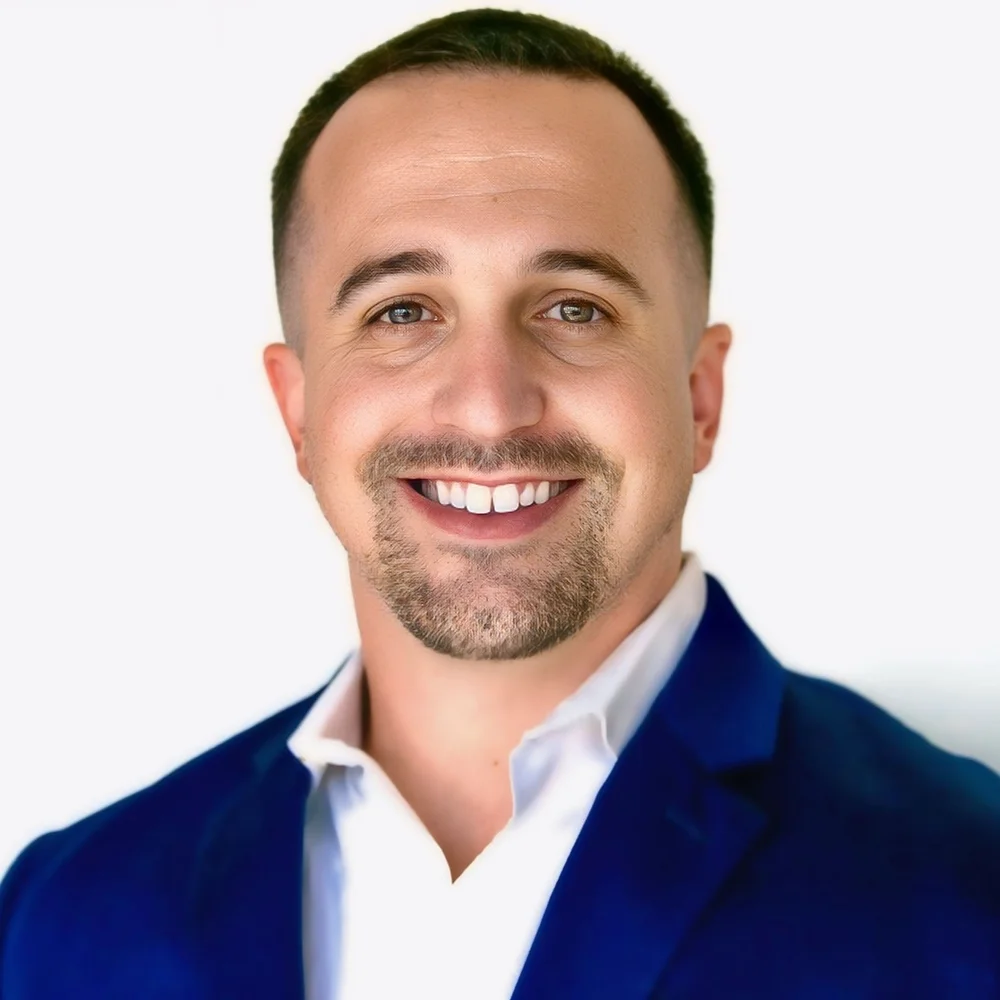
About Justin Borges
Justin Borges helps Pasadena sellers coordinate difficult property-condition and closing files. He has closed $200M+ in career sales with a 106% average list-to-sale ratio and holds CA DRE #01940318.
View Justin Borges's verified author profile or call (213) 262-5092.